Top 12 Best Coolant for Mercedes-Benz You Must Try Now
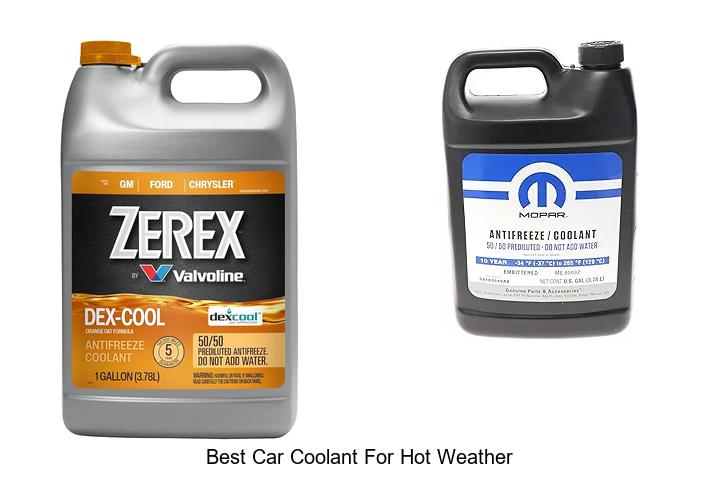
Keeping your Mercedes-Benz running smoothly requires paying close attention to its cooling system. Overheating or using the wrong coolant can lead to costly engine damage and reduced performance. Selecting the best coolant for Mercedes-Benz is essential for protecting your vehicle’s engine and maintaining ideal operating temperatures.
This product category is designed specifically for Mercedes engines, helping prevent corrosion, overheating, and freezing in various climates. This review is for Mercedes-Benz owners who want a reliable, effective coolant that meets the manufacturer’s standards.
You’ll learn about the key features, compatibility, and benefits of some of the top coolants available. By the end, you’ll have a clearer idea of which coolant suits your car’s needs, ensuring long-term care and peace of mind.
Top Choices to Keep Your Mercedes Running Smooth and Cool
| Image | Product | Price |
|---|
Top Coolants for Mercedes-Benz: A Buyer’s Guide 2024
Longevity and maintenance intervals
The recommended coolant change intervals for Mercedes-Benz vehicles typically range between three to five years, depending on the specific model and the type of coolant used. Paying attention to certain indicators such as changes in coolant color, presence of rust or debris, or frequent engine overheating can signal the need for a coolant replacement. Extended-life coolants offer benefits by maintaining their protective properties longer and helping to prevent corrosion and scale buildup, which contributes positively to engine performance and longevity.
Extended-life coolants offer benefits by maintaining their protective properties longer and helping to prevent corrosion and scale buildup, which contributes positively to engine performance and longevity. However, using the appropriate coolant formulated for Mercedes-Benz engines and following the manufacturer’s maintenance schedule helps maintain optimal cooling system function and avoid potential issues caused by degraded or incompatible fluids.
Performance and protection features
Choosing the ideal coolant for Mercedes-Benz vehicles involves paying close attention to freeze and boilover protection levels, which safeguard the engine from extreme temperatures whether in freezing winters or scorching summer heat. Effectiveness in preventing corrosion and rust is equally important because it helps maintain the longevity of internal components by forming protective layers against harmful chemical reactions.
Compatibility with aluminum and other engine materials used in Mercedes-Benz models must also be considered to avoid any damage or chemical incompatibility, keeping the cooling system functioning smoothly. Selecting a coolant that balances these factors can provide dependable thermal management and contribute to the overall health and reliability of the engine over time.
Ease of use and availability
Choosing the best coolant for Mercedes-Benz involves understanding the differences between premixed and concentrated coolants. Premixed options save time as they come ready to use, while concentrated versions need to be diluted with distilled water, offering flexibility depending on your preferences and needs. Availability plays a key role in convenience, with many local dealers and online retailers stocking a variety of coolants suited for Mercedes-Benz vehicles, making replacement or top-up straightforward.
Packaging options vary as well, with sizes ranging from small bottles ideal for topping off fluid levels to larger containers designed for complete coolant system refills, allowing buyers to select what best fits their maintenance routine. Ultimately, ease of use and the accessibility of these products contribute considerably to a hassle-free experience when maintaining your car’s cooling system.
Compatibility with mercedesbenz models
When selecting coolant for your Mercedes-Benz, OEM recommendations and specifications serve as the guiding standard to guarantee proper engine protection and performance. Various engine variants within the Mercedes lineup often require specific types of coolants formulated with additives that combat corrosion, enhance heat transfer, and maintain system integrity over time. Matching the coolant to both the vehicle’s year and model is essential because formulations evolve alongside engine designs and materials, ensuring compatibility with components such as aluminum radiators and plastic reservoirs.
Matching the coolant to both the vehicle’s year and model is essential because formulations evolve alongside engine designs and materials, ensuring compatibility with components such as aluminum radiators and plastic reservoirs. Using the appropriate coolant not only supports long-term durability but also helps prevent issues like overheating or gasket failure. Considering these factors will lead to a well-informed choice that fits the unique requirements of your particular Mercedes-Benz, preserving the vehicle’s reliability and efficiency throughout its lifespan.
Coolant composition and technology
When selecting the right coolant for a Mercedes-Benz, understanding the differences in coolant composition and technology can help make the choice clearer. Coolants generally fall into categories based on their acid technology, with inorganic acid technology (IAT) and organic acid technology (OAT) being the most common types. IAT coolants often use silicates and phosphates to protect against corrosion, but tend to have a shorter lifespan, making them more suitable for older vehicles or short maintenance intervals.
IAT coolants often use silicates and phosphates to protect against corrosion, but tend to have a shorter lifespan, making them more suitable for older vehicles or short maintenance intervals. OAT coolants rely on organic acids that provide longer-lasting protection and are often preferred for modern engines due to their stability and reduced deposit formation. Between these options, hybrid organic acid technology (HOAT) coolants combine elements from both IAT and OAT, offering broad corrosion protection and extended service life, which aligns well with the needs of high-performance engines like those in Mercedes-Benz cars.
Additionally, Mercedes-Benz vehicles benefit from coolants that include specific additives and corrosion inhibitors tailored to their unique engine materials and design, providing protection against aluminum corrosion, cavitation, and other wear factors. When considering a coolant purchase, matching the coolant type to the vehicle manufacturer’s specifications is key for maintaining engine performance and longevity.
Price and warranty considerations
When choosing the best coolant for Mercedes-Benz vehicles, understanding the cost comparison among premium coolants can help make a more informed decision. High-quality coolants often come with a higher upfront price, but their advanced formulations typically offer longer service life and better protection for engine components. Many Mercedes-Benz approved coolants come with warranty benefits that may be voided if non-approved products are used, which adds an extra layer of security and peace of mind.
Evaluating value for money involves looking beyond just the initial cost to performance benefits such as corrosion resistance, temperature tolerance, and compatibility with the vehicle’s cooling system materials. A coolant that lasts longer and protects the engine more effectively can translate into fewer maintenance visits and reduced risk of expensive repairs, making it a smarter investment in the long run.
Frquently Asked Questions
How Does Using The Right Coolant Affect The Performance And Longevity Of A Mercedes-Benz Engine?
Using the right coolant in a Mercedes-Benz engine is crucial for optimal performance and longevity. The correct coolant formulation helps maintain the engine’s ideal operating temperature by efficiently dissipating heat, which prevents overheating and reduces wear on engine components. It also protects against corrosion and scaling inside the cooling system, ensuring smooth and reliable engine function. Additionally, Mercedes-Benz-specific coolants contain additives that match the materials used in the engine, preventing damage and extending the life of the radiator, water pump, and hoses. Overall, the right coolant safeguards engine efficiency, enhances durability, and supports consistent performance.
What Is The Recommended Type Of Coolant For Mercedes-Benz Vehicles?
The recommended type of coolant for Mercedes-Benz vehicles is typically a phosphate-free, hybrid organic acid technology (HOAT) coolant specifically formulated for Mercedes-Benz engines. This coolant helps ensure optimal engine performance, corrosion protection, and longevity of cooling system components. Mercedes-Benz generally recommends using their branded or equivalent approved coolants that meet MB Approval 325.0 or 326.0 specifications. It’s important to always check the owner’s manual for the exact coolant type and mixture ratio to maintain warranty compliance and avoid potential damage.
How Often Should I Change The Coolant In My Mercedes-Benz?
For a Mercedes-Benz, it is generally recommended to change the coolant every 3 to 5 years or approximately every 50,000 miles, depending on the model and driving conditions. Regular coolant changes help maintain optimal engine temperature, prevent corrosion, and extend the life of your vehicle’s cooling system. Always refer to your owner’s manual for the specific interval for your model, as some newer Mercedes-Benz vehicles may have extended service intervals. Additionally, have your coolant checked during routine maintenance to ensure it remains in good condition.
Can I Use Universal Coolant In My Mercedes-Benz, Or Do I Need A Specific Brand?
You can use universal coolant in your Mercedes-Benz as long as it meets the specific standards recommended by Mercedes-Benz, such as MB 325.0 or MB 326.0. These coolants are formulated to protect the engine and cooling system components from corrosion, overheating, and freezing. Always check the vehicle’s owner manual or consult a Mercedes-Benz dealer to ensure compatibility. However, using the exact brand or type of coolant specified by Mercedes-Benz can provide optimal performance and maintain warranty coverage. Stick to high-quality coolants designed for your model to avoid potential issues.
What Are The Signs That My Mercedes-Benz Coolant Needs To Be Replaced?
Signs that your Mercedes-Benz coolant needs to be replaced include a noticeable change in color, often becoming rusty or cloudy, indicating contamination or degradation. You might also detect a sweet smell coming from the engine area, which suggests coolant leaks. Additionally, if your engine temperature gauge is consistently higher than normal or if your vehicle is overheating, it’s a strong indicator that the coolant is no longer effectively regulating the engine heat. Another sign is the presence of sludge or debris in the coolant reservoir or radiator, which can clog the cooling system. Regular maintenance schedules also recommend replacing coolant every few years to prevent corrosion and ensure optimal performance. If you experience any of these signs, it’s wise to have your coolant checked and replaced by a professional to avoid engine damage.
Conclusion
Choosing the best coolant for Mercedes-Benz involves balancing efficient engine protection with compatibility and longevity. This coolant offers excellent heat dissipation, corrosion resistance, and extended service intervals, making it well-suited for drivers who prioritize maintaining their vehicle’s performance and reliability. However, attention should be given to selecting the correct formula as some Mercedes-Benz models may require specific coolant types to avoid potential engine issues.
For those seeking a reliable, manufacturer-recommended solution that supports engine integrity under various driving conditions, this product stands out as a solid choice. While it may come at a slightly higher price point, the benefits in preventing overheating and extending engine life justify the investment for many owners.