Top 12 Best Car Wax Before Winter To Protect Your Ride!
Many car owners find it challenging to protect their vehicle’s paint during the harsh winter months. Road salt, snow, and cold temperatures can cause damage, making it necessary to apply a reliable protective layer.
Choosing the best car wax before winter can help shield your car from these elements and maintain its shine. This review focuses on some of the most effective car waxes designed for cold weather protection. Whether you drive daily or keep your car stored, these products offer long-lasting defense against moisture and dirt.
They are suitable for different paint types and provide a smooth, glossy finish. You’ll learn about the key features, application ease, and durability of each wax.
This will help you decide which product fits your needs and gives your car the care it deserves during winter.
Protect Your Ride with the Ultimate Shine for Harsh Cold Months
| Image | Product | Price |
|---|
Top Car Waxes to Use Before Winter: A Buying Guide
Vehicle surface compatibility
The best car wax before winter is typically designed to work well on a variety of vehicle surfaces, making it suitable for painted finishes as well as clear coats. It should also be safe to use on plastic, trim, and glass areas to provide comprehensive protection without damaging any parts of the vehicle. Compatibility with previous coatings or sealants is another important aspect to keep in mind, as some waxes might not bond properly if there are residues of other products on the surface.
Compatibility with previous coatings or sealants is another important aspect to keep in mind, as some waxes might not bond properly if there are residues of other products on the surface. Choosing a wax that can adhere effectively to existing layers can extend the protection period and enhance the overall appearance, helping maintain a glossy, shielded finish throughout harsh winter months.
Longevity and maintenance
The protection provided by a quality car wax before winter can typically last several weeks to a few months, depending largely on the severity of winter conditions and the product’s formulation. In harsher climates with frequent snow, ice, and road salt, reapplying wax every four to six weeks helps maintain a strong barrier against damage.
Over time, consistently using a gentle, well-formulated wax contributes positively to preserving the paint finish by minimizing exposure to abrasive elements and reducing oxidative wear, which ultimately keeps the vehicle’s exterior in better shape through repeated winter seasons.
Climate and weather protection
Choosing the best car wax before winter involves prioritizing products that offer strong resistance to salt, snow, and ice buildup, since these elements can severely damage a vehicle’s exterior during the colder months. A wax with excellent UV protection helps guard the paint from the harsher glare of the low winter sun, preventing fading and discoloration even on sunny days. Water repellency and hydrophobic properties also play a significant role, as they cause water and melted snow to bead up and roll off the surface, reducing moisture retention and minimizing the risk of rust.
Water repellency and hydrophobic properties also play a significant role, as they cause water and melted snow to bead up and roll off the surface, reducing moisture retention and minimizing the risk of rust. When selecting a wax, consider one that maintains durability in cold temperatures and creates a sturdy barrier against winter hazards. This approach not only preserves the car’s appearance but also contributes to its longevity by preventing corrosion and paint degradation commonly associated with winter driving conditions.
Type of car wax
Choosing the right type of car wax can greatly enhance the shine and protection of your vehicle’s paint. Paste waxes often provide a thicker layer of protection and a brilliant gloss but require a bit more effort to apply and buff out.
Liquid waxes tend to be easier to spread evenly and work well for those looking for a balance between convenience and lasting shine. Spray waxes offer the quickest application, ideal for regular light touch-ups, though they may not last as long as paste or liquid variants. Regarding composition, synthetic waxes generally offer superior durability and stronger resistance against environmental factors like road salt, UV rays, and moisture, making them suitable for prolonging the protective qualities over time.
Natural waxes, especially those containing carnauba, are prized for their rich, deep shine and a more natural finish but might require more frequent reapplication. When deciding, think about how often you want to wax your car and the specific conditions it will face, such as harsh weather or frequent exposure to dirt and grime. A well-chosen wax not only enhances appearance but also acts as a barrier, preserving the paintwork and reducing the risk of damage from the elements.
Application ease and time
Choosing the best car wax before winter involves understanding how easily it applies and the time it takes to complete the process. A wax that spreads smoothly without requiring excessive effort can make the task less tedious and more efficient, especially when preparing a vehicle for harsher weather conditions. Preparation and surface requirements play an important role, as the car’s paint should be clean and dry before applying wax to achieve the best protective layer.
This cleanliness prevents dirt or residues from becoming trapped beneath the wax, which could reduce its effectiveness. After application, drying and buffing time vary depending on the product formula; some waxes set quickly and allow for immediate buffing to a shine, while others may require a longer curing time to maximize protection.
It is useful to know whether the wax includes tools and applicators, such as microfiber cloths or foam pads, as these can simplify the process and give a more even finish. Opting for a wax that comes with the necessary accessories or is compatible with commonly available applicators ensures you have everything needed without extra purchases, making the waxing experience straightforward and satisfying before winter sets in.
Price and value
The cost per ounce or application varies between different car wax products, influencing how budget-friendly they are for regular use before the colder months. Choosing a car wax that balances performance and price ratio means paying attention to how well it protects your vehicle’s paint against winter elements while considering the quantity you get for the price. Some options offer sample sizes or smaller containers that allow testing without committing to a large purchase, which can be ideal for beginners.
Some options offer sample sizes or smaller containers that allow testing without committing to a large purchase, which can be ideal for beginners. Others provide bulk options that make sense for those planning to wax their car multiple times throughout the season or who want to save money in the long run. Availability at local stores or online also plays a role in price and value since ease of purchase can affect both overall cost and convenience.
Selecting a product that offers durable protection, ease of application, and good quantity for the price usually results in better satisfaction and value over time.
Frquently Asked Questions
How Does Car Wax Protect Your Vehicle During The Winter Months?
Car wax acts as a protective barrier on your vehicle’s paintwork during the winter months. It seals the surface, preventing moisture, salt, and grime from directly contacting the paint. This helps reduce the risk of rust and corrosion caused by road salt and harsh weather conditions. Additionally, wax improves the vehicle’s shine and makes it easier to clean off accumulated dirt and salt. By maintaining a smooth, coated surface, car wax also helps repel snow and ice, minimizing damage and keeping your vehicle looking better throughout winter.
What Are The Top-Rated Car Waxes To Use Before Winter?
Top-rated car waxes to use before winter include Meguiar’s Ultimate Liquid Wax, Turtle Wax ICE Seal N Shine, and Collinite 845 Insulator Wax. These waxes offer excellent protection against harsh winter elements like snow, ice, and road salt. They create a strong barrier that helps prevent paint damage and keeps the car looking shiny throughout the cold months. Meguiar’s Ultimate Liquid Wax is known for its easy application and long-lasting protection. Turtle Wax ICE Seal N Shine provides a durable shield and enhances water beading. Collinite 845 Insulator Wax is favored for its heavy-duty protection, making it ideal for severe winter conditions.
When Is The Best Time To Apply Car Wax Before Winter Sets In?
The best time to apply car wax before winter sets in is typically in late fall, just before the first frost. This timing allows the wax to form a strong protective barrier on your car’s paint, shielding it from harsh winter elements like snow, ice, road salt, and grime. Applying wax too early may cause it to wear off before winter fully arrives, while applying it after winter has started won’t provide adequate protection. Ideally, apply the wax when the car is clean and dry, and temperatures are moderately cool but above freezing, usually between 50°F and 70°F. This ensures the wax can properly bond to the paint surface for maximum durability throughout the cold months.
Can Car Wax Prevent Rust And Corrosion On Cars During Winter?
Car wax can help prevent rust and corrosion on cars during winter by creating a protective barrier on the paint surface. This barrier repels moisture, salt, and other corrosive substances commonly found on winter roads, reducing their contact with the metal underneath. Regular waxing before winter can thus slow down the damage caused by harsh weather conditions. However, while car wax offers some protection, it is not foolproof against rust. Areas like the undercarriage and inside wheel wells often need additional treatment with rust-proof coatings or sealants. Proper washing and maintenance complement waxing to keep a car rust-free throughout winter.
What Types Of Car Wax Are Most Effective Against Salt And Snow Damage?
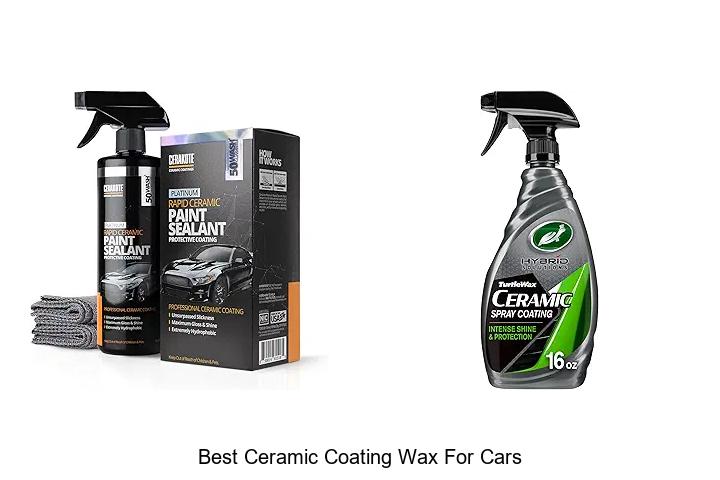
The most effective car waxes against salt and snow damage are typically synthetic and polymer-based waxes. These waxes create a durable, protective barrier that repels moisture, salt, and grime better than traditional natural waxes. They also tend to last longer under harsh winter conditions, preventing corrosion and paint damage. Additionally, ceramic coatings, which are a type of advanced polymer sealant, offer superior protection against salt and snow. They bond chemically to the paint surface, providing long-lasting resistance to scratches, road salts, and moisture, making them ideal for winter protection.
Conclusion
Choosing the best car wax before winter can make a significant difference in protecting your vehicle from harsh weather conditions such as snow, ice, and road salt. While some waxes offer long-lasting protection and a glossy finish, others may require more frequent application or be less effective against abrasive elements.
This type of car wax suits drivers who want to preserve their vehicle’s appearance and guard against winter damage without spending excessive time on maintenance. For those concerned about investing in the right wax, focusing on products with proven weather resistance and positive user feedback can provide confidence.
Ultimately, selecting the best car wax before winter ensures your car stays shielded and visually appealing throughout the colder months.