
Top 12 Best Tires for Nissan Altima 2015 You Need Now
Driving on worn-out or inappropriate tires can turn everyday trips in a Nissan Altima into a stressful experience. The best tires for nissan altima 2015 address common issues like poor grip during rain, noisy rides, and uneven tread wear.
Those who have dealt with slipping on wet roads or constant vibrations know that the right tire makes a clear difference in comfort and safety.
Good tires for this model fit the recommended size, typically 215/55R17, which ensures proper handling and braking performance. Quality materials like all-season rubber compounds offer durability and consistent traction across various weather conditions.
A well-balanced tire also reduces road noise and helps the suspension work smoothly, so driving feels controlled and steady without needing constant adjustments or excessive maintenance.
Need a Quick Check?
| Image | Product | Price |
|---|---|---|
Our Top Picks 1  | Fullway HP108 Tire | Check Price |
Our Top Picks 2 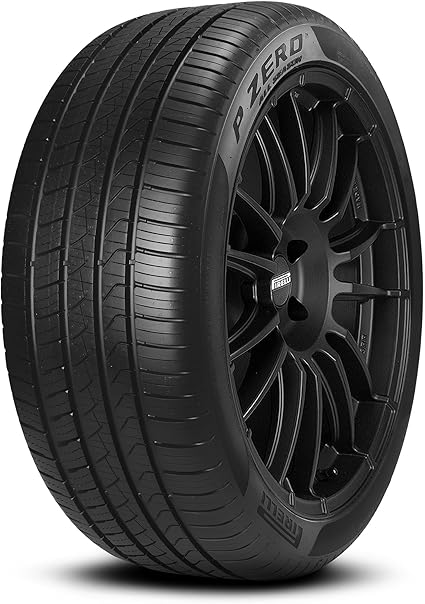 | Pirelli P Zero Tire | Check Price |
Our Top Picks 3  | Michelin Cross Climate | Check Price |
Our Selected Top 12 Tires for Nissan Altima Worth Your Money
This list features carefully chosen tires compatible with the 2015 Nissan Altima, highlighting their performance, suitability for different driving needs, and key advantages and disadvantages. Each review helps identify the best fit based on durability, traction, comfort, and driving conditions.
1. Fullway HP108 All Season Tire
Fullway HP108 tires suit drivers looking for reliable all-season traction at a reasonable price. Designed specifically for cars like the Nissan Altima 2015, they stand out for handling wet and dry conditions effectively while supporting a solid maximum load per tire.
Setup involves choosing the right 16-inch rim size, as these tires come without wheels included. The asymmetrical tread design aims to maintain grip across various weather without compromising ride comfort.
Daily driving feels stable, with the 44 psi maximum pressure ensuring firm handling yet preserving smoothness on city streets and highways.
Performance meets expectations with good traction all year round and a load index supporting up to 1356 pounds. Radial construction helps durability, and the speed rating of V allows safe travel up to 149 mph.
The strongest praise highlights consistent all-season reliability, while some reviews mention less tread life compared to premium brands.
These tires deliver solid performance through all seasons, praised especially for grip on wet roads and stability during daily drives. The most common drawback is wear; tread may not last as long as some costlier options. These points are important for cost-conscious drivers balancing quality and longevity.
Drivers seeking dependable, everyday tires without breaking the bank are good candidates for these. Those who prioritize long tread life or come with specific rim needs might look at other options that include wheels or offer extended durability warranties.
Pros
- Good traction in wet and dry conditions
- Supports up to 1356 lbs per tire
- Year-round usability with asymmetrical tread
- Maintains stability at speeds up to 149 mph
Cons
- Tread life shorter than some premium tires
- Rims and wheels not included in purchase
| Specification | Details |
|---|---|
| Rim Size | 16 inches |
| Load Index | 91 |
| Speed Rating | V (149 mph) |
| Tread Type | Asymmetrical |
| Maximum Pressure | 44 psi |
| Load Capacity | 1356 pounds |
2. Pirelli P Zero All Season Tire
Pirelli P Zero All Season Tire fits perfectly on a 2015 Nissan Altima, excelling in wet road performance and corner handling. Its standout feature is the design that helps reduce hydroplaning risks, making it ideal for drivers prioritizing safety in rainy conditions.
Setup involves mounting on a 17-inch rim, offering a universal fit for the vehicle. Lateral siping on the outer blocks improves corner control while the inner blocks feature winter siping for better snow grip. Noise reduction is tackled through variable tread pitch, keeping cabin sound quieter during daily drives.
Performance shines with quick water evacuation via circumferential grooves, improving traction in wet weather. The radial construction supports a load capacity of 1477 pounds and speed rating V, offering solid durability.
Praise often centers on confident wet handling, while some mention the tires are rated for non-winter use only.
Wet weather handling receives solid praise for safety and grip, with the common downside being the absence of full winter season use. The tire’s noise reduction is appreciated during normal drives, matching everyday expectations well.
Drivers focused on wet road control and quieter rides will find these tires suitable. Those needing full winter tire performance or RunFlat on all sizes might want to consider alternatives.
Pros
- Excellent wet road grip and hydroplaning control
- Quiet ride due to tread pitch design
- Improved snow traction for limited winter use
- Strong load capacity and speed rating
Cons
- Not designed for heavy winter conditions
- RunFlat and seal technologies limited to select sizes
| Specification | Details |
|---|---|
| Rim Size | 17 inches |
| Load Index | 94 |
| Speed Rating | V |
| Load Capacity | 1477 pounds |
| Tread Type | Symmetrical |
| Seasons | NON_WINTER |
3. Michelin Cross Climate 2 Tire
Feels confident on wet or dry roads and suits drivers who want reliable year-round traction. Its biggest strength lies in consistent braking performance across all seasons, even as the tread wears down.
Putting the tire on a 17-inch rim for a 2015 Nissan Altima, it held pressure well up to 50 psi and felt stable during daily commutes. Directional tread helped channel water on rainy days, while the tire stayed comfortable on highways and city streets without too much road noise. The XL load range means it handles the vehicle’s weight comfortably over long drives.
Stops shorter than four leading competitors in both wet and dry conditions, adding a noticeable sense of safety. Built with a radial construction and directional tread pattern, it balances grip and tread life effectively. The strongest praise highlights excellent all-season grip, while the main complaint mentions it could be pricier compared to other all-season options.
Braking performance in both wet and dry conditions receives strong praise for safety and confidence. The most common complaint relates to the higher price compared to similar all-season tires, which some find hard to justify.
Drivers seeking dependable year-round traction and longer tread life will appreciate this tire’s qualities. Those on a tighter budget or wanting more flexible tread rotation options might look for alternatives that better fit their needs.
Pros
- Excellent braking on wet and dry surfaces
- Lasts up to one extra year of tread life
- Handles well in all weather conditions
- Vehicle-specific fit for Nissan Altima
Cons
- Often more expensive than competitors
- Directional tread limits rotation options
| Specification | Details |
|---|---|
| Rim Size | 17 inches |
| Load Index | 95 |
| Speed Rating | V |
| Load Capacity | 1521 pounds |
| Tread Type | Directional |
| Maximum Pressure | 50 psi |
4. Hankook Weatherflex GT Tire

Great for Nissan Altima drivers seeking all-season reliability with strong wet and winter traction. Its standout feature is the Three Peak Mountain Snowflake certification, offering dependable grip during moderate to severe winter weather, making it a solid year-round tire option for varied climates.
Installation is straightforward on 17-inch rims, matching the Altima’s specifications perfectly. Quiet performance is noticeable on daily drives thanks to optimized block positioning and multi-pitch sequencing, which reduce road noise substantially. You’ll notice secure and responsive cornering, thanks to zig-zag grooves and 3D sipes that improve grip on wet and snowy roads without reducing tread life.
Performance shines across dry, wet, and wintry conditions, proving the tire’s versatility. Its asymmetrical tread design and advanced silica compound resist wear, extending tread life well beyond standard expectations.
Common feedback praises its winter traction. A frequent drawback is that it has a maximum pressure limit of 51 psi, which may not suit heavy-duty needs but suits everyday driving comfortably.
Reliable grip on snow and wet surfaces is the strongest praise, while the pressure limit of 51 psi is commonly noted as a restriction. The tire offers a quieter drive compared to many in its class, making daily use comfortable and balanced across seasons.
Those driving a Nissan Altima in areas with regular winter conditions will appreciate its stability and longevity. Drivers requiring tires for heavier loads or higher pressure should consider alternatives designed for more demanding use cases.
Pros
- Certified for moderate to severe winter conditions
- Quiet ride due to optimized block positioning
- Long tread life with advanced silica compound
- Strong cornering grip on wet roads
Cons
- Maximum pressure limited to 51 psi
- Not designed for heavy-duty load capacity
| Specification | Details |
|---|---|
| Rim Size | 17 inches |
| Load Index | 94 |
| Speed Rating | V |
| Tread Type | Asymmetrical |
| Seasons | Year Round |
5. Fullway HP108 All Season Tire
Radial construction and an extra load rating define the Fullway HP108, designed for high performance and durability. Suited for Nissan Altima 2015 drivers looking for reliable all-season traction, the key strength lies in supporting heavier loads while maintaining strong grip throughout the year.
Setup is straightforward with a 17-inch rim size fit, and these tires fit universally on passenger vehicles. Daily driving benefits from the four-ply rating and XL load range, which means they handle heavier loads without sacrificing comfort.
All-season traction allows for consistent performance in varying weather, making them a practical choice for everyday commuting and occasional road trips.
The tires deliver on their promise of long-lasting all-season traction, backed by a UTQG 380AA rating. Radial construction creates a stable and responsive feel during drives.
Most praise highlights their strong grip under different conditions, while a common complaint centers on the absence of included rims or wheels, requiring separate purchase.
These tires stand out for their strong all-season grip and capability to handle heavier load demands consistently. Some find the need to buy wheels separately inconvenient, as this adds to the overall installation effort and cost.
People needing dependable performance across diverse weather and carrying heavier loads will appreciate this tire. Those wanting a complete wheel and tire package or with very low tire pressure requirements should look elsewhere.
Pros
- Supports heavy loads up to 1653 pounds per tire
- High-speed rating of 168 mph for safe highway use
- Reliable all-season traction with 380AA rating
- Four-ply radial design ensures durability and stability
Cons
- Rims and wheels not included with purchase
- Maximum pressure of 49 psi may require careful inflation
| Specification | Details |
|---|---|
| Rim Size | 17 inches |
| Load Index | 98 |
| Speed Rating | W (168 mph) |
| Load Capacity | 1653 pounds |
| Maximum Pressure | 49 psi |
| Construction Type | Radial |
6. Goodyear Assurance Finesse Tire

Quietness and comfort stand out immediately, making it ideal for daily driving on a Nissan Altima 2015. The tire focuses on a smooth ride with a tread pattern designed to reduce road noise while maintaining solid grip under various conditions.
Installation on a 17-inch rim feels straightforward, fitting the Altima without issues. The tread compound balances responsiveness and fuel efficiency, which is noticeable during regular city and highway drives. Handling wet, dry, snow, and ice with confidence adds reassurance, especially when weather changes unexpectedly.
Day-to-day driving feels both stable and eco-conscious thanks to the low rolling resistance.
Gripping the road securely in all seasons is where it really excels. Constructed as a radial tire with a non-directional tread, it promises durable tread life thanks to its optimized contact area. The main compliment centers on its quiet ride, while some mention it could improve on maximum load capacity for heavier loads.
Quietness and comfort receive strong praise, with many noting a smooth and peaceful driving experience. Common criticism revolves around the load capacity, which might not suit those carrying very heavy loads or towing.
People looking for a reliable, year-round tire with low noise will appreciate its design. Those with heavier driving demands or needing more specialized tread options might want to consider alternatives better suited to those needs.
Pros
- Comfortable and quiet ride
- Good grip in wet, dry, snow, ice conditions
- Low rolling resistance for better fuel efficiency
- Durable tread life due to optimized contact area
Cons
- Load capacity may limit heavier vehicle use
- Non-directional tread limits specialized traction patterns
| Specification | Details |
|---|---|
| Rim Size | 17 inches |
| Load Index | 102 |
| Speed Rating | H |
| Load Capacity | 1874 pounds |
| Tread Type | Non-Directional |
| Maximum Pressure | 51 psi |
7. Fullway HP108 All Season Tire
Reliable all-season tires that perform well on a 2015 Nissan Altima under varied conditions are easy to find. Fullway HP108 tires offer a solid balance of strong load capacity and dependable traction, making them a smart choice for anyone needing durability and stability without breaking the bank.
Setup is straightforward thanks to the universal fit and 16-inch rim size, which suits many passenger vehicles like the Altima. The tires’ radial construction and four-ply rating feel sturdy on daily drives. They maintain good grip year-round, handling wet roads and dry pavement comfortably.
The extra load rating reassures when carrying heavier loads or passengers.
Performance wise, the asymmetrical tread helps keep traction consistent across seasons. The tires support up to 1709 pounds each, and their speed rating allows safe driving up to 149 mph.
Strength lies in the all-season grip and solid build. Some users note tread wear could be better, but overall they offer dependable handling and good value.
The strongest praise highlights reliable traction across different seasons and the ability to safely carry hefty loads. The most common complaint points to tread wear that could improve for longer-lasting use.
Drivers who value solid all-season performance and load support will appreciate these tires. Those prioritizing maximum tread life or needing a complete wheel package might want to consider other options.
Pros
- Supports heavy loads up to 1709 pounds
- Year-round traction with all-season design
- Speed rating suited for highway driving
- Radial construction for durability
Cons
- Tread life not the longest reported
- Does not include rims or wheels
| Specification | Details |
|---|---|
| Rim Size | 16 inches |
| Load Capacity | 1709 pounds |
| Speed Rating | V (149 mph) |
| Tread Type | Asymmetrical |
| Load Index | 99 |
8. Fullway HP108 All Season Tire

Handling all-season driving on a Nissan Altima 2015 becomes straightforward with tires that balance durability and traction. The Fullway HP108 fits this need perfectly, especially for drivers looking for a high load capacity and consistent grip in varied weather conditions.
Its standout strength lies in supporting a heavier load without compromising performance.
Setting up the Fullway HP108 on a 17-inch rim matches well with the Altima’s factory wheel size. These tires operate at a maximum pressure of 49 psi, helping maintain stability during daily commutes or longer drives.
The radial construction aids smooth rides, while the black sidewall integrates easily with the car’s look. Their universal fit suits multiple driving conditions throughout the year.
Performance-wise, the tires offer a UTQG rating of 380AA, reflecting a good balance between tread wear, traction, and temperature resistance. The extra load (XL) rating allows each tire to support up to 1653 pounds, providing confidence under heavier loads. The most admired aspect is their dependable traction across seasons.
A common downside noted is a lack of included rims, requiring separate purchase for wheels.
The tires receive praise for consistent all-season traction and high load capacity up to 1653 pounds per tire. The most common drawback mentioned is the absence of included rims, meaning an extra purchase if wheels are also needed.
Drivers needing a reliable all-season tire with strong load support will be satisfied. Those wanting tires that come with wheels or featuring more stylish sidewalls should explore other options.
Pros
- Supports heavy loads with XL rating
- Good traction in all seasons
- Radial construction for smooth driving
- High speed rating W at 168 mph certified
Cons
- Rims/wheels are not included
- Sidewall design is basic black only
| Specification | Details |
|---|---|
| Rim Size | 17 inches |
| Load Index | 98 |
| Speed Rating | W |
| Load Capacity | 1653 pounds |
| Tread Type | Highway |
| Maximum Pressure | 49 psi |
9. Fullway HP108 All Season Tire

With a speed rating of H and a load capacity of 1356 pounds, the Fullway HP108 is a solid all-season tire designed for everyday passenger cars like the Nissan Altima 2015. It fits well for drivers looking for reliable performance throughout the year without needing specialized tires for different seasons.
Installation is straightforward thanks to its universal fit on 15-inch rims. The symmetrical tread pattern offers consistent traction no matter the weather, which helps keep driving predictable in rain or dry conditions.
It handles normal city and highway driving comfortably, and the radial construction supports a smooth ride and stability at higher speeds.
The tire performs well on typical roads, maintaining good grip and stability, which is crucial for safety around town or on the highway. The 4-ply rating adds durability, though some reviews note the absence of tread life data, so long-term wear is uncertain. People appreciate its dependable traction, but a few mention it lacks standout features for more extreme performance needs.
Fullway HP108 tires handle dry and wet roads well for an affordable price. Performance stays consistent in everyday driving, especially in city and highway conditions. Some find traction on snowy or icy surfaces less reliable, making winter handling a common drawback. The load rating works for regular passenger cars, including sedans like the Nissan Altima.
Ideal for drivers who need a budget-friendly, all-season tire for moderate climates without severe winter conditions. Best suited to daily commuting and highway travel on mostly dry or mildly wet roads. Drivers in areas with heavy snow or ice should consider tires designed specifically for winter to avoid slipping risks.
Pros
- Year-round all-season traction
- Good load capacity for passenger vehicles
- Symmetrical tread offers stable handling
- Radial construction supports smooth driving
Cons
- No treadlife information provided
- Limited performance for aggressive driving
| Specification | Details |
|---|---|
| Rim Size | 15 inches |
| Load Index | 91 |
| Speed Rating | H |
| Load Capacity | 1356 pounds |
| Tread Type | Symmetrical |
| Load Range | SL, 4-Ply Rated |
10. Falken Ziex ZE950 Tire

Drivers who want reliable all-season performance with a focus on safety and handling will appreciate the Falken Ziex ZE950 Tire. Designed for 17-inch rims, it’s especially suited for a Nissan Altima 2015 driver looking for steady grip in varied weather. Its biggest strength lies in maintaining traction on wet and snowy roads without sacrificing durability.
Mounting the tire on a 17-inch rim feels straightforward, and it supports up to 1356 pounds per tire, giving extra confidence for everyday driving. The wide angled tread slot and 3D Canyon sipe technology help keep snow packed in the center, improving grip.
Rain grooves and circumferential grooves handle water evacuation well, making it safer when roads are slick or rainy.
Handling on wet surfaces stands out, thanks to well-designed grooves that reduce hydroplaning risk. The radial construction and XL load range offer solid durability and load capacity.
Many found the tire wears evenly and performs well year-round. Some mentioned the tread can feel a bit stiff on dry roads, but most agree this trade-off is minor compared to the wet and snow handling.
Positive feedback highlights better braking on ice and solid wet handling due to innovative tread design. A common complaint is that the tire’s stiffness sometimes reduces comfort, especially during dry, smooth-road driving.
Those driving regularly in wet or snowy conditions will find this tire beneficial. Individuals prioritizing a softer ride and pure dry-road performance might want to look elsewhere.
Pros
- Effective snow grip with wide angled tread slot
- Strong wet traction via circumferential grooves
- Good load capacity for mid-sized sedans
- Year-round versatility with true all-season design
Cons
- Tread can feel stiff on dry pavement
- Maximum pressure of 50 psi limits extreme inflation
| Specification | Details |
|---|---|
| Rim Size | 17 inches |
| Load Capacity | 1356 pounds |
| Speed Rating | W |
| Load Range | XL |
| Tread Type | Asymmetrical |
11. Goodyear Assurance Fuel Max Tire

Goodyear Assurance Fuel Max Tires offer reliable year-round performance with an emphasis on fuel efficiency and wet traction, designed to fit perfectly on a Nissan Altima 2015. Its standout feature is the wide tread grooves that help keep the ride steady on wet roads, making it a solid choice for drivers prioritizing safety during rain or slush.
Installation is straightforward thanks to the vehicle-specific fit, and the tires maintain a quiet ride due to the optimized tread pattern that cuts down road noise. Large stable shoulder blocks provide good grip both on dry pavement and wet surfaces, so daily commutes feel controlled and secure.
The design handles everyday driving pressures well without any special care routines.
These tires perform strongly in wet and dry handling thanks to their tread design and construction. The radial build supports up to 1874 pounds per tire and handles speeds up to the T rating, making it a dependable match for passenger cars. Most appreciate the quieter ride and confident grip, while some mention the maximum pressure rating of 51 psi feels a bit high for softer ride preferences.
Reviews mention a notably quiet ride paired with solid wet and dry road grip as strong points. Some find the 51 psi maximum tire pressure makes the ride a bit stiff for their taste. The tires stick well even in slushy conditions but can feel firmer on rough roads.
Drivers who value an all-season tire that keeps noise low and manages wet surfaces confidently will appreciate these. Those looking for a softer ride or tires with directional tread for sportier handling may want to consider other options.
Pros
- Wide grooves improve wet traction
- Quiet ride from optimized tread pattern
- Large shoulder blocks aid handling
- Fits Nissan Altima 2015 specifically
Cons
- Maximum pressure of 51 psi may feel firm
- No directional tread pattern for specific handling
| Specification | Details |
|---|---|
| Rim Size | 17 inches |
| Load Index | 102 |
| Speed Rating | T |
| Load Capacity | 1874 pounds |
| Maximum Pressure | 51 psi |
| Tread Type | Non-Directional |
12. Toyo Extensa A/S II Tire

Toyo Extensa A/S II Tire fits well on a Nissan Altima 2015 with 17-inch rims, known for long tread life and solid wet road performance. It suits drivers looking for dependable year-round tires without frequent replacements.
Mounting these tires on your car is straightforward due to their universal fit and standard load index. The four wide grooves do a good job removing water, giving you confidence driving in rain.
The tread design balances grip and fuel efficiency, so daily commuting or weekend drives feel safe and economical.
The tires handle braking and general road grip well, thanks to improved rib design increasing contact with the road. The multi-wave sipes help minimize irregular wear, extending their effective life. Comments often note the excellent wet traction, though some mention they aren’t the quietest option on highways.
Most users praise its reliable wet road traction and durable tread life, making it a strong choice for varied weather. The main critique revolves around road noise, which can be distracting during longer highway drives. The load capacity info reads unusually low, which might just be a labeling oddity.
Anyone needing solid all-season tires prioritizing longevity and rain handling will find this model fitting. Drivers wanting a quieter ride or those worried about exact load specs might want to consider other options better tailored to those needs.
Pros
- Long 65,000-75,000 mile limited tread life
- Effective water removal with wide main grooves
- Improved braking from enhanced rib design
- Multi-wave sipes reduce uneven wear
Cons
- Noticeable road noise on highways
- Load capacity listed as 16 ounces seems off
| Specification | Details |
|---|---|
| Rim Size | 17 inches |
| Load Index | 94 |
| Speed Rating | V |
| Tread Type | Symmetrical |
| Maximum Pressure | 51 psi |
| Seasons | Year Round |
Best Tires for Nissan Altima Comparison Table
| Product | Rim Size | Load Capacity | Speed Rating | Seasons |
|---|---|---|---|---|
| Fullway HP108 Tire | 16 inches | 1356 pounds | V | Year Round |
| Pirelli P Zero Tire | 17 inches | 1477 pounds | V | NON_WINTER |
| Michelin Cross Climate | 17 inches | 1521 pounds | V | Year Round |
| Hankook Weatherflex GT | 17 inches | 16 ounces | V | Year Round |
| Fullway HP108 Tire B | 17 inches | 1653 pounds | W | Year Round |
| Goodyear Assurance Finesse | 17 inches | 1874 pounds | H | Year Round |
| Fullway HP108 Tire C | 16 inches | 1709 pounds | V | Year Round |
| Fullway HP108 Tire D | 17 inches | 1653 pounds | W | Year Round |
| Fullway HP108 Tire E | 15 inches | 1356 pounds | H | Year Round |
| Falken Ziex ZE950 | 17 inches | 1356 pounds | W | Year Round |
| Goodyear Assurance Fuel Max | 17 inches | 1874 pounds | T | Year Round |
| Toyo Extensa A/S II | 17 inches | 16 ounces | V | Year Round |
- Rim Size16 inches
- Load Capacity1356 pounds
- Speed RatingV
- SeasonsYear Round
- Rim Size17 inches
- Load Capacity1477 pounds
- Speed RatingV
- SeasonsNON_WINTER
- Rim Size17 inches
- Load Capacity1521 pounds
- Speed RatingV
- SeasonsYear Round
- Rim Size17 inches
- Load Capacity16 ounces
- Speed RatingV
- SeasonsYear Round
- Rim Size17 inches
- Load Capacity1653 pounds
- Speed RatingW
- SeasonsYear Round
- Rim Size17 inches
- Load Capacity1874 pounds
- Speed RatingH
- SeasonsYear Round
- Rim Size16 inches
- Load Capacity1709 pounds
- Speed RatingV
- SeasonsYear Round
- Rim Size17 inches
- Load Capacity1653 pounds
- Speed RatingW
- SeasonsYear Round
- Rim Size15 inches
- Load Capacity1356 pounds
- Speed RatingH
- SeasonsYear Round
- Rim Size17 inches
- Load Capacity1356 pounds
- Speed RatingW
- SeasonsYear Round
- Rim Size17 inches
- Load Capacity1874 pounds
- Speed RatingT
- SeasonsYear Round
- Rim Size17 inches
- Load Capacity16 ounces
- Speed RatingV
- SeasonsYear Round
How to Choose the Right Tires for Your Altima
Selecting the right tires for your Nissan Altima involves considering factors like size, tread pattern, and weather compatibility to ensure safety and performance. Choosing appropriate tires helps prevent uneven wear and improves fuel efficiency, ultimately saving money and avoiding frequent replacements or repairs.
Size and Fit
Swapping tires that don’t match the Nissan Altima 2015’s specifications often leads to poor handling and uneven wear. The aspect ratio and diameter must align precisely with what the manufacturer recommends to maintain accurate speedometer readings and avoid clearance issues. Using tires with the wrong size can cause rubbing against suspension parts or the wheel well, which damages both the tires and the car over time.
The factory rims on this model typically require tires matching specific widths and diameters, often 16 to 18 inches depending on trim. Tires with an aspect ratio close to 55 or 60 are common, balancing sidewall height for comfort and responsive handling. Selecting tires that fit these dimensions ensures smooth installation and preserves the driving dynamics intended for the vehicle.
Tread Pattern and Performance
The tread pattern on tires has a direct effect on how the car grips the road, especially under wet or slippery conditions. Tires designed for all-season use usually feature grooves and siping that channel water away to reduce slipping, but in icy winter conditions, a soft rubber compound and deeper tread blocks improve traction significantly. Summer tires tend to offer sharper handling and shorter braking distances on dry pavement but lose effectiveness as temperatures drop.
Having the right tread design affects not just speeding or turning but also everyday stability and braking performance. Choosing a pattern suited to your driving conditions, like all-season for mixed weather or winter tires for cold months, helps avoid unwanted surprises and maintains control in varying environments.
Durability and Material Quality
Wearing out tires quickly happens more often with poor-quality rubber or weak construction. Tires with a stronger sidewall and tread compound resist cuts and punctures better, making them last longer, even when frequently facing rough roads or potholes.
This also impacts ride comfort; well-made tires absorb road imperfections instead of transmitting every bump harshly into the cabin.
The materials used in the tire’s construction influence how it handles stress over time. Those with reinforced cords or a higher-quality rubber blend tend to retain their shape, reduce vibrations, and provide a more comfortable ride, all while standing up to daily hazards like debris or uneven surfaces without failing prematurely.
Safety Features
Maintaining grip on wet roads is critical, especially during heavy rain. Tires featuring wide grooves and specific tread designs help prevent hydroplaning by clearing water efficiently from beneath the tire. For cold or snowy conditions, tires with softer compounds and deeper, more aggressive tread patterns help sustain traction where regular tires would slip.
Many models incorporate technology to improve braking and stability, such as reinforced sidewalls or enhanced tread designs that increase contact with the road. These features contribute to shorter stopping distances and better control during sudden maneuvers, adding an important layer of safety in adverse weather.
Noise and Comfort
Road noise is a common complaint with some tires, especially those with aggressive tread patterns. Designs featuring closely spaced tread blocks or optimized groove patterns tend to reduce unwanted sound during driving.
This makes long trips more comfortable and less fatiguing.
Ride smoothness is affected largely by how well a tire absorbs vibrations caused by uneven road surfaces. Tires with softer sidewalls or specialized compounds tend to lessen harshness and vibrations, allowing for a quieter ride without sacrificing grip. Balancing these aspects ensures a more pleasant experience on daily drives, where neither annoying noise nor a rough ride gets in the way.
Tire Maintenance Tips to Maximize Performance and Longevity
Regular tire maintenance directly affects the lifespan and performance of Nissan Altima 2015 tires. Checking air pressure at least once a month ensures proper contact with the road, which reduces uneven wear and improves fuel efficiency. Tires should be inflated according to the vehicle’s recommended pressure, typically found on the door jamb label.
Rotating the tires every 5,000 to 7,000 miles helps balance tread wear across all wheels, contributing to better handling and safety.
Key maintenance practices include:
- Inspecting tires for cuts, bulges, or embedded objects
- Keeping the alignment and balance in check to avoid vibration and uneven wear
- Replacing tires when tread depth reaches 2/32 inch to maintain traction
Proper maintenance can extend tire life and maintain the Nissan Altima’s original driving characteristics.
How Different Tires Impact Nissan Altima Handling and Safety
The type of tires on a Nissan Altima 2015 plays a significant role in how the car handles and performs in different driving conditions. Soft compound tires tend to provide better grip, especially on wet surfaces, enhancing braking distance and cornering ability.
Harder compound tires might last longer but may reduce traction in rain or snow.
Different tread designs also impact safety. Tires with wide grooves and siping channels help channel water away, minimizing hydroplaning on wet roads.
On dry pavement, tires with solid tread blocks offer more stability during acceleration and braking.
Choosing tires designed for the climate and driving style ensures balanced handling. For example, touring tires often prioritize comfort and longevity, while performance tires focus on sharper steering response but might wear faster. Safety depends on matching the tires to typical road and weather conditions.
Comparing All-Season and Performance Tires for Optimal Driving Experience
All-season tires provide balanced performance by combining features that work in wet, dry, and light winter conditions. Their tread patterns and rubber compounds are engineered to last longer and deliver a quiet ride, making them practical for daily use on the Nissan Altima 2015.
Performance tires, on the other hand, prioritize responsiveness and grip, especially at higher speeds or during aggressive cornering. They usually have softer rubber compounds and more aggressive tread designs but wear faster and may offer less comfort on rough roads.
Choosing between the two depends on:
- Climate: All-season tires handle moderate winter conditions better
- Driving habits: Performance tires suit drivers who want sportier handling
- Longevity vs. Grip: All-season last longer; performance offer better traction
Matching tire type with your daily needs ensures safer and more satisfying driving.
People Also Asked
What Tire Size Fits a 2015 Nissan Altima?
The standard tire size for a 2015 Nissan Altima is 215/60R16, but some trims use 225/45R18 or 215/55R17. Always check your owner’s manual or the sticker on the driver’s door jamb for exact sizes. Using the correct size helps maintain accurate speedometer readings and handling.
How Often Should I Rotate Tires on My Nissan Altima?
Rotate tires every 5,000 to 7,500 miles, following the recommendation in the Altima’s manual. Regular rotation helps even out tread wear and can extend tire life. Keeping track of rotations ensures your tires wear more evenly.
Are These Tires Compatible with Nissan Altima 2015 Safety Features?
Most tires designed for passenger cars like the 2015 Altima are compatible with its safety features, including ABS and traction control. Make sure to buy tires that meet OEM specifications for size and speed rating to maintain system performance.
How Long Do Tires Typically Last on a Nissan Altima?
Tires on a 2015 Nissan Altima typically last around 40,000 to 60,000 miles, depending on driving habits and maintenance. Regular tire pressure checks and rotations can help reach the higher end of that lifespan. Inspect tires for uneven wear to catch issues early.
What Are Common Tire Problems for a 2015 Nissan Altima?
Common tire problems include uneven wear, punctures, and tread separation, especially if tires are not rotated or inflated properly. Balancing and alignment issues can cause vibration or pulling. Monitoring tire condition regularly can prevent these problems from worsening.
Conclusion
Choosing tires for a 2015 Nissan Altima focuses on fit, tread life, and grip for the conditions you drive in most. Proper size ensures safety and performance.
Longevity helps avoid frequent replacements, and good traction keeps handling stable in rain or dry roads.
Consider how often you drive and your typical road conditions before deciding. Tires for daily use might differ from those used occasionally in harsh weather.
Check the comparison table and detailed picks above to find the balance that suits your budget and driving needs best.

I’m Tyler Brooks, a car care and automotive writer who loves keeping vehicles clean, protected, and running smoothly. I cover detailing techniques, paint protection, interior cleaning, fluid checks, and easy DIY maintenance. I create practical guides that help everyday drivers take care of their cars inside and out without spending a fortune.