
Top 12 Best Coolant for Extreme Reactors That Shock Experts
Extreme reactors put a lot of demand on their cooling systems, and the best coolant for extreme reactors is crucial to avoid overheating and maintain stable performance. Using a cheap or incompatible coolant often leads to corrosion, buildup, or a loss of thermal efficiency, causing the reactor to run hotter than it should and risking damage or shutdowns.
The most important features in a coolant for this kind of application include thermal conductivity, chemical stability at high temperatures, and corrosion resistance. A typical high-quality coolant will have a thermal conductivity around 0.5 to 1 W/mK, maintain stability above 500°C, and include additives that protect metals commonly found in reactor materials.
Proper viscosity also matters, as too thick or too thin a coolant won’t circulate effectively under heavy reactor loads.
Need a Quick Check?
| Image | Product | Price |
|---|---|---|
Our Top Picks 1  | SLLC2 Engine Coolant | Check Price |
Our Top Picks 2 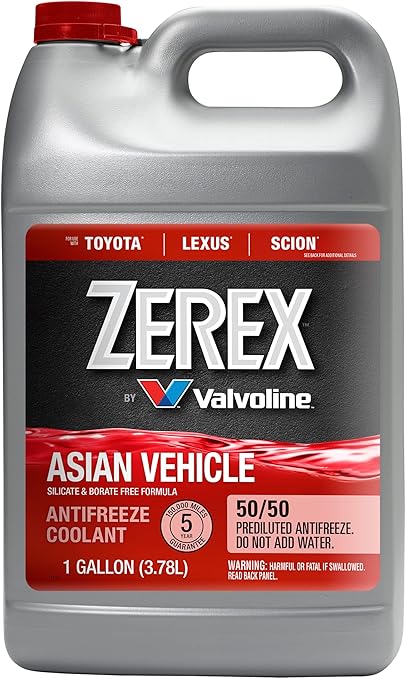 | Zerex Asian Antifreeze | Check Price |
Our Top Picks 3  | HPC100 Coolant 3 Pack | Check Price |
Our Selected Top 12 Coolant for Extreme Reactors Worth Your Money
This list features twelve coolants designed to withstand the demands of extreme reactors, each evaluated for performance, compatibility, and durability. Readers will find insights into which products work best in specific conditions, along with clear benefits and limitations to help make an informed choice.
1. 00272 SLLC2 Engine Coolant
Containing a bittering agent, the 00272 SLLC2 Engine Coolant suits extreme reactor environments where safety and prevention of accidental ingestion are critical. Its main strength lies in combining safety with reliable performance under demanding conditions.
Setup involves pouring the single-quantity 9.34-pound coolant directly into the reactor’s cooling system. You can handle it without worries about core charges or complicated returns.
The bittering agent adds a layer of security, making accidental contact less likely to be harmful. Maintenance routines benefit from not having to deal with extra fees or weight adjustments.
Performance-wise, the coolant maintains thermal stability effectively in high-stress scenarios. It handles heat dissipation well, protecting components from overheating.
Manufactured by Genuine, it delivers consistent quality, although some have noted its weight can be cumbersome during handling. The most common praise is about its safety feature, while the main complaint concerns the awkward weight.
The coolant’s standout feature is its bittering agent that improves safety by discouraging accidental ingestion, which users appreciate. On the downside, its nearly 9.34-pound weight presents handling challenges during setup or transport.
Those needing a safe, dependable coolant for harsh reactor environments will find this product suits their needs well. More frequent users or those requiring lighter handling might consider alternatives with smaller sizes or easier portability.
Pros
- Contains bittering agent for added safety
- No core charge required
- Reliable heat dissipation for extreme reactors
- Single purchase convenience
Cons
- Weight can be cumbersome at 9.34 pounds
- Limited to one quantity per purchase
| Specification | Details |
|---|---|
| Manufacturer | Genuine |
| Brand | Genuine |
| Item Weight | 9 pounds |
| Model Number | 13 |
| Part Number | 00272SLLC2 |
| Bittering Agent | Included |
2. Zerex Asian Vehicle Antifreeze
Anyone driving Asian make vehicles like Toyota, Lexus, or Scion will find this coolant suits their needs perfectly. Zerex Asian Vehicle Antifreeze shines with its long-life formula designed specifically for silicate-free HOAT systems, providing reliable protection against rust and corrosion for up to 150,000 miles or 5 years.
Refilling your cooling system with this antifreeze is straightforward. Its silicate-free, phosphate Hybrid Organic Acid Technology chemistry means it avoids harmful scale and deposit build-up, which helps maintain clean internal system parts over time. It fits well in vehicles that specifically require red coolant and replaces OEM fluids with confidence, keeping your setup ready during every drive.
Protection against rust and corrosion works well thanks to its formula covering all cooling system metals. The absence of silicates and borates helps prevent scale formation, making maintenance easier.
Many appreciate how long it lasts without needing frequent changes, though some note it’s designed primarily for specific Asian vehicle models and may not suit others as well.
Consistent praise highlights its 5-year rust and corrosion protection under heavy-use conditions. A frequent drawback centers around its compatibility, as it only suits models requiring silicate-free red HOAT antifreeze. Using it elsewhere can reduce effectiveness and potentially cause issues.
Drivers of Toyota, Lexus, Scion, and similar brands that specify this type of coolant will benefit from its chemical design and longevity. Others should look for more universal coolants designed for a wider range of vehicles to avoid mismatches with their cooling system requirements.
Pros
- Long-life protection up to 150,000 miles
- Silicate and borate free formula
- Compatible with multiple Asian vehicle brands
- Prevents rust and corrosion effectively
Cons
- Limited to certain Asian makes only
- Requires specific red HOAT antifreeze system
| Specification | Details |
|---|---|
| Manufacturer | Valvoline |
| Brand | Zerex |
| Item Weight | 5 pounds |
| Item model number | 675130-EA |
| Manufacturer Part Number | 675130 |
| Warranty | 5 year / 150,000 mile |
3. HPC100 High Performance Coolant (3 Pack)
Designed for extreme reactors, HPC100 High Performance Coolant stands out by significantly lowering engine temperatures with advanced wetting agents. It suits setups that demand efficient heat transfer and reliable protection against overheating during intense operation.
Using HPC100 means adding it straight from the bottle into your cooling system. Its technology lowers the surface tension of your coolant mixture, which helps the system transfer heat better. Day-to-day, this means your engine runs cooler, and the coolant lubricates the water pump seals to keep everything running smoothly while preventing corrosion on metals like aluminum.
The coolant effectively reduces engine temperatures by up to 25°F, which is a solid improvement for intense conditions. Built to protect all common cooling system metals, it prevents corrosion and keeps components like water pump seals lubricated. Strong praise highlights the temperature drop and corrosion protection, while common complaints point to the need for frequent top-ups in very demanding situations.
The strongest point is how much it can reduce engine temperatures while also preventing corrosion across all common cooling system metals. Users often note having to refill it more frequently during heavy-duty operation.
It suits engines with aluminum components and where preventing overheating is critical. Those seeking a longer-lasting coolant without topping up might want to explore alternatives better suited for prolonged extreme conditions.
Pros
- Reduces engine temperature significantly
- Protects all metals including aluminum
- Lubricates water pump seals
- Comes in convenient bottle size
Cons
- May require frequent topping up under extreme loads
- Only compatible with systems containing aluminum
| Specification | Details |
|---|---|
| Container Type | Bottle |
| Compatible Material | Aluminum |
| Main Feature | Reduces engine temperature by up to 25°F |
| Protection | Maximum corrosion protection for all metal types |
| Function | Lubricates water pump seals |
4. LIQ-702BU-05L Blue Liquid Coolant 5L

Koolance LIQ-702BU-05L Blue Liquid Coolant delivers reliable cooling performance for extreme reactors, especially where corrosion and biological growth are concerns. It suits those needing a safe, low-toxicity coolant that lasts long without clogging components.
Setup is straightforward since the coolant comes pre-diluted in a 5-liter container, ready to use right away. Its corrosion and biological inhibitors make daily monitoring easier, as it helps prevent buildup from mixed metals and biological contaminants. Regular replacement is recommended every 2-3 years or sooner if the coolant changes in color or clarity, ensuring consistent system health.
The coolant maintains solid heat transfer and keeps systems clean over extended use. The formula works well to avoid clogging, balancing low toxicity and performance.
Most praise highlights its reliability over time, while some point to the need for timely replacement to avoid any degradation or color changes that might affect efficiency.
Reviews confirm its dependable protection against corrosion and biological growth, keeping systems running clean for years. The most common issue arises when users delay replacing the coolant beyond the recommended timeframe, leading to potential changes in color and effectiveness.
Those looking for a stable, industry-trusted coolant with low toxicity and long-term reliability will appreciate this product. Users wanting customizable dilution or extended shelf life might consider alternatives more suited to their specific needs.
Pros
- Includes corrosion and biological inhibitors
- Pre-diluted and ready to use
- Prevents clogging of cooling system components
- Usable for 2-3 years before recommended replacement
Cons
- Requires replacement if color or clarity changes
- Only comes in one pre-diluted concentration
| Specification | Details |
|---|---|
| Brand Name | Koolance |
| Model Number | LIQ-702BU-05L |
| Container Size | 5 liters (169 fl oz) |
| Warranty | One year manufacturer |
| Coolant Shelf Life | 3 years |
5. Prestone MAX Asian Red Antifreeze
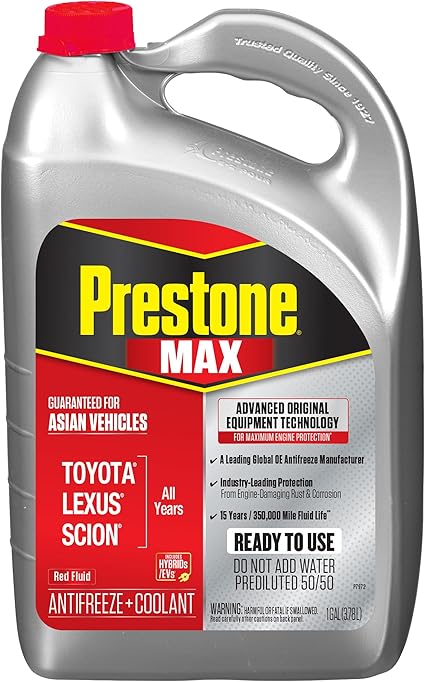
Running a cooling system through extreme cold and heat is demanding, but this antifreeze keeps it steady. Ideal for reactors facing harsh conditions, it focuses on protecting against temperature swings.
Its standout feature is the patented CorGuard technology that targets efficient heat management and system longevity.
Pouring in was simple with the well-sized 9.2-pound container that fits easily in tight spaces. The bitterant adds a safety layer, preventing accidental ingestion during regular checks or refills. Its compact 3.94-inch cube shape helps with storage and handling, making upkeep less of a chore while maintaining consistent protection in day-to-day operation.
Performance feels reliable across freezing winters and blazing summers, holding up under what extreme reactors demand. Built with efficiency in mind, it aids the cooling system in running smoother for longer stretches.
A common compliment points to its durable formula, while some mention its redness can stain if spilled, requiring care during application.
People appreciate how the CorGuard technology helps the cooling system last longer under extreme temperatures. The most common issue involves the red antifreeze staining if it’s not handled carefully during application or spills.
Those running reactors that undergo severe seasonal changes will find its protection valuable. Users needing a coolant compatible with non-Asian vehicles may want to look for a different option tailored to their specs.
Pros
- Patented CorGuard technology improves cooling efficiency
- Provides protection against extreme temperature swings
- Includes bitterant for added safety
- Compact size easy to handle and store
Cons
- Red dye can stain surfaces if spilled
- Only suited for Asian vehicles, limiting compatibility
| Specification | Details |
|---|---|
| Manufacturer | Prestone |
| Brand | Prestone |
| Model | AF6210/F |
| Item Weight | 9.2 pounds |
| Product Dimensions | 3.94 x 3.94 x 3.94 inches |
| Manufacturer Part Number | AF6210/F |
6. PEAK OET Extended Life Orange Coolant
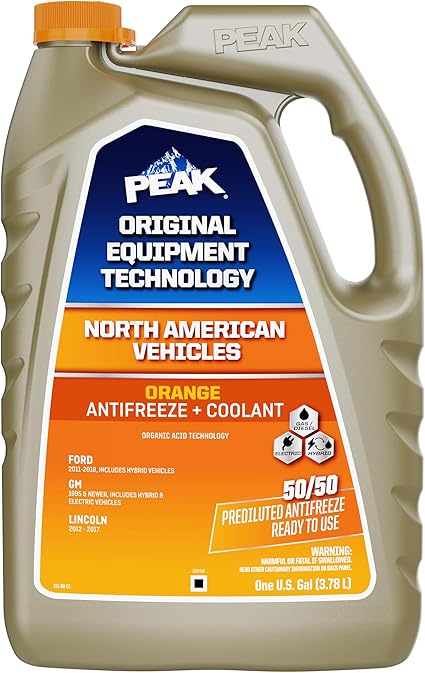
Great for North American vehicles needing orange OAT coolant, PEAK OET Extended Life Orange Coolant delivers long-lasting protection against rust and corrosion. Its main strength is the promise of up to 400,000 miles or 15 years of service life when installed correctly, making it a solid choice for heavy-duty and extreme reactor use.
Setup involves a complete flush and fill to activate its full lifespan guarantee. Prediluted at 50/50, it makes topping off quick without extra mixing.
Compatible with Ford, Chrysler, and GM engines requiring orange organic acid technology formulas, it blends well with other extended life antifreezes. The bittering agent added also deters accidental ingestion during everyday handling.
Performance focuses on protecting all cooling system components from rust and corrosion, essential in demanding environments. The formula holds up over long mileage and years, which users appreciate most.
Some note the weight of the gallon container at 9 pounds, making it slightly bulky during handling. The product is well-built and reliable but demands complete system flushing for best results.
Many find the long mileage protection valuable, appreciating the extended life up to 400,000 miles. The common drawback is the gallon’s weight, which can be awkward during pours or refills. Full system flushing is necessary to meet warranty conditions, limiting convenience.
Ideal for drivers with compatible North American vehicles looking for durable, long-term coolant protection. Those who prefer lighter containers or cannot perform a full flush might want to look at different options.
Pros
- Compatible with Ford, Chrysler, GM orange OAT systems
- Offers long service life up to 15 years
- Prediluted for easy topping off
- Includes bittering agent for safety
Cons
- Heavy gallon size makes handling tough
- Requires complete system flush for guarantee
| Specification | Details |
|---|---|
| Manufacturer | PEAK |
| Model | EMW8138325 |
| Weight | 9.09 pounds |
| Dimensions | 7.5 x 3.9 x 11.8 inches |
| Service Life Guarantee | Up to 400,000 miles or 15 years |
| Type | 1 Gallon, 50/50 prediluted |
7. Red Line 80205 Supercool Powersports Coolant

Purified, deionized water combined with the proper WaterWetter percentage makes the Red Line 80205 Supercool Powersports Coolant perfect for cooling extreme reactors where reliable temperature control matters most. This product is perfect for people with motorcycles, ATVs, and karts who want a pre-mixed, ready-to-use solution that protects various metals in cooling systems without any extra effort.
Setup involves just pouring from the jug straight into your cooling system, saving time and reducing the risk of mixing errors. Its pre-mixed formula reduces rust and corrosion while providing electrolysis protection, which is critical when dealing with aluminum, copper, and other metals. The addition of WaterWetter helps clean and lubricate water pump seals, supporting longer pump life during everyday use.
Handling heat and stress without breaking down, it performs well under the tough demands of high-power engines. It’s built for compatibility with aluminum, cast iron, copper, brass, and bronze cooling system parts and works alongside any antifreeze or coolant already in use. Praise often highlights how well it keeps the cooling system clean and the seals lubricated.
Some mention the jug size can be bulky for storage or handling.
Many find that it keeps cooling systems clean while preventing rust and corrosion effectively, often noting longer pump seal life. Complaints tend to focus on the easily handled jug size that might be inconvenient for some users during storage or pouring.
Those wanting a simple, ready-to-go coolant for mixed-metal systems with high demands will appreciate this coolant. Users needing precise mixture control or small containers might want to explore other options better suited to their setup.
Pros
- No mixing required, just use as is; it protects against rust and corrosion, cleans and lubricates water pump seals, and works with multiple metals.
Cons
- Jug design can feel bulky to handle
- Less flexible for custom coolant ratios
Specification Details Container Type Jug Compatible Material Aluminum, Cast Iron, Copper, Brass and Bronze Pre-mixed Coolant Yes Special Blend Purified, Deionized Water with WaterWetter 8. Zerex Dex-Cool Antifreeze 1 Gallon

Known for outstanding freeze and boil protection, Zerex Dex-Cool Antifreeze suits extreme reactors requiring reliable thermal management. Its standout quality lies in unbeaten freeze protection, guarding engines against harsh winter conditions down to -34F and preventing overheating under summer peaks.
Setup involves using the pre-mixed orange formula in a 50/50 blend with deionized water, ready straight out of the gallon container. Maintenance is straightforward since it protects all cooling system metals, including aluminum, and resists rust, scale, and corrosion.
Gaskets, hoses, and plastics stay protected during long-term use, requiring no extra additives or frequent top-offs.
Performance matches the demands of extreme cooling environments with a boiling point of 265F and anti-freeze capability rated to -34F. Built with high-quality additives and organic acid technology, it keeps the system clean and leak-free. Most reviewers praise its durability and long-term protection, while some note the relatively heavy 9 pounds, which can be cumbersome to handle.
Strong corrosion resistance and freeze protection are frequently mentioned as key benefits. The main drawback noted is the weight of the product, making it a bit bulky to pour and carry around during installation or refill.
Those needing dependable, extended freeze and boil protection for complex cooling systems will be satisfied with its performance. Users looking for larger quantities or lighter packaging might want to explore other options better suited for those preferences.
Pros
- Unsurpassed freeze protection to -34F
- Resists rust, scale, and corrosion effectively
- Safe for all cooling system metals including aluminum
- Pre-mixed and ready-to-use 50/50 formula
Cons
- Heavy at 9 pounds, less easy to handle
- Limited container size at 1 gallon
Specification Details Manufacturer Valvoline Model Dex-Cool Item Weight 9 pounds Freeze Protection -34F Boiling Point Protection 265F 9. Can-Am XPS Extended Life Coolant 1 Quart
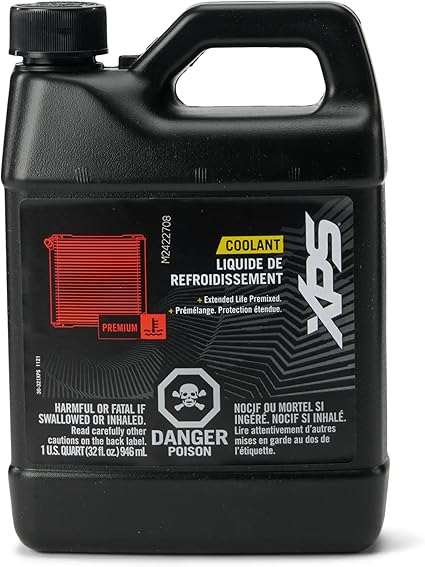
Choosing a coolant made specifically for BRP cooling systems ensures reliable performance even in extreme conditions. Can-Am XPS Extended Life Coolant has a 5-year long-life formula which makes it ideal for anyone needing reliable antifreeze with added corrosion and cavitation protection.
Its ability to maintain proper dilution and heat transfer sets it apart.
This 1 quart coolant comes pre-mixed and fits perfectly in Ski-Doo and other BRP models without needing any extra mixing. The anti-corrosion additives help protect the system during daily rides, while the formulation ensures it handles temperature extremes quietly and effectively.
There’s no need to worry about frequent top-offs or flushing because of its extended life design.
The formula transfers heat effectively and helps prevent cavitation in the cooling system, keeping engine temps steady. Made with Ski-Doo’s brand standards, it suits the demands of high-performance, extreme recreational vehicles.
Users note it stays stable over longer periods, though its specific compatibility with BRP cooling systems means it’s less versatile for other engines.
Many experience robust protection against corrosion and cavitation, with the coolant keeping up its performance over long use. The main drawback lies in its limited compatibility, being designed solely for BRP systems, which can restrict use for other engine types.
Anyone running a Ski-Doo or similar BRP system will benefit greatly from this coolant’s targeted formula and longevity. Those with different cooling systems should look for more universally compatible antifreeze options to avoid fitment issues.
Pros
- Specially formulated for BRP cooling systems
- Long-life 5-year antifreeze formula
- Prevents corrosion and inhibits cavitation effectively
- Superior heat transfer helps maintain engine temperatures
Cons
- Only fits BRP-compatible cooling systems
- Sold in small 1-quart size may require multiple purchases
Specification Details Volume 1 U.S. QT / 0.946 L Weight 2.38 pounds Manufacturer Ski-Doo Model Number 9779730 Manufacturer Part Number 9779150 Formula Life 5 years 10. OMTech Non-Conductive CO2 Laser Coolant 1 Gal
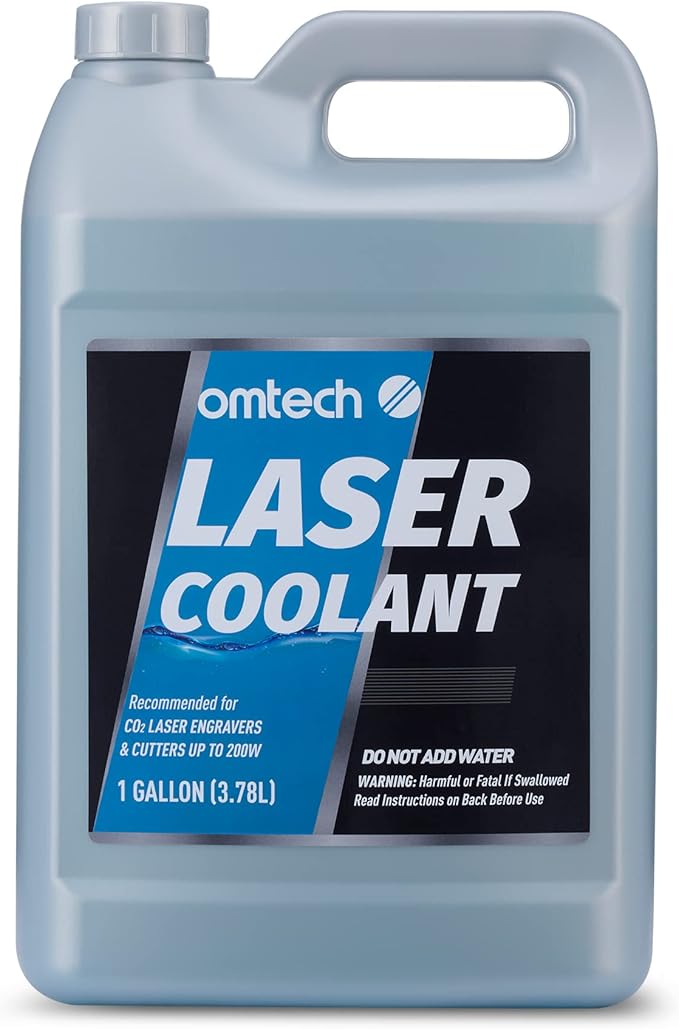
Keeping a CO2 laser tube cool under extreme temperatures is a challenge, especially to avoid freezing or overheating. Perfect for anyone running CO2 laser engravers or cutters in cold climates, this coolant’s strength lies in protecting delicate laser tubes even at temperatures as low as -31°F.
Setup involves filling your laser chiller or cooling tank directly with this ethylene glycol-based fluid. Its low viscosity and corrosion inhibitors keep the system clean and running smoothly day to day. Just avoid mixing it with other coolants or automotive antifreezes, as those can cause chemical issues and reduce your laser’s lifespan.
It handles heat transfer quickly and keeps laser tubes safe from bursting in freezing conditions. The formula also resists erosion, helping cooling systems last longer. The coolant’s build quality focuses on purity and protective additives.
Buyers appreciate how well it prevents freeze damage, but some note trouble if mixed with other fluids.
This coolant excels at preventing freezing and corrosion, keeping laser tubes intact in harsh conditions. Most users mention that mixing it with other coolants leads to unwanted reactions, which can hinder performance or damage the laser.
People running CO2 lasers in cold environments who stick to this product’s guidelines will find reliable protection. Those needing a multi-purpose coolant or who want longer unsealed use periods might want to explore other options.
Pros
- Protects laser tubes from freezing and bursting
- Contains corrosion inhibitors for long-lasting effect
- Bittering agent adds safety against accidental ingestion
- Effective heat transfer fluid for laser chillers
Cons
- Not compatible with other coolants, risks chemical reactions
- Shorter warranty if container is opened
Specification Details Freeze Protection -31°F Coolant Type Ethylene glycol with corrosion inhibitors Volume 1.1 gallon (1 pack) Compatible Use CO2 laser chillers and cooling tanks Warranty 2-Year Warranty (3 months unsealed) 11. Zerex Dex-Cool Antifreeze Concentrate 1 Gallon

Offering unmatched freeze protection and anti-boil performance, this coolant concentrate suits anyone needing reliable temperature control in extreme reactor environments. Its biggest strength lies in withstanding temperatures from -84 to 270 degrees Fahrenheit depending on the mix, ensuring consistent operation under tough conditions.
Mixing the orange concentrate with clean tap or demineralized water is straightforward. Different ratios like 50/50 or 70/30 allow you to tailor the freeze and boil protection precisely for your needs.
The organic acid technology keeps corrosion and rust away while safeguarding all cooling system metals, including aluminum, without damaging hoses, gaskets, or plastics.
The coolant performs well within its temperature range and uses high-quality additives that prevent leaks and corrosion. The 5 year/150,000 mile guarantee backstops it against freeze or boil failures.
Users often praise its durability and corrosion resistance, while some point out that incorrect mixing ratios can affect performance or coverage.
Strong corrosion and rust resistance make this coolant reliable for long periods, but precision in mixing water ratios is critical to avoid performance issues. The safety on various system materials is highly valued among those using it in demanding conditions.
People needing extensive freeze and boil protection will appreciate its adaptability and warranty. Those looking for a ready-to-use coolant or less involved setup might prefer a pre-mixed option instead.
Pros
- Protects against rust, scale, and corrosion
- Safe for all cooling system metals including aluminum
- Does not damage gaskets, hoses, or plastics
- Wide temperature protection range with customizable mixes
Cons
- Mixing ratios must be precise for best results
- Only available as a concentrate requiring dilution
Specification Details Manufacturer Valvoline Model Dex-Cool Item Weight 5 pounds Item Dimensions 7.38 x 3.83 x 12 inches Freeze Protection Range -84 to 267°F (depending on mix) Guarantee 5 year/150,000 mile 12. Valvoline Zerex G48 Concentrate Antifreeze

People running extreme reactors who need dependable cooling will find Valvoline Zerex G48 Concentrate Antifreeze a solid choice. Its biggest strength lies in delivering consistent, high-performance protection under demanding conditions.
It suits professionals who value reliability above all.
Setting up the concentrate involves mixing it with water as per requirements, making it flexible for different reactor setups. Its weight and container size fit well for handling and storage around the reactor site.
Daily use means long-term protection against freezing, corrosion, and overheating thanks to its formulation designed to handle extreme thermal loads.
The coolant performs steadily in controlling temperature and preventing engine or reactor damage. Built with a quality chemical balance, it offers durable protection. Reviews often highlight its reliable performance as a strong point, while some note that it requires careful dilution before use, which could be a minor inconvenience.
It provides steady and reliable cooling in extreme conditions as promised, preventing freeze and corrosion effectively. Preparation involving dilution is necessary, which might slow down initial setup but ensures flexibility in concentration levels.
Those who need consistent long-term cooling without surprises will find this coolant dependable. Users looking for ready-to-use solutions or lighter handling options may want to consider other alternatives.
Pros
- High performance under extreme temperatures
- Professional-grade reliability
- Concentrated for customizable use
- Durable chemical formulation
Cons
- Requires dilution before use
- Heavier container to handle
Specification Details Manufacturer Valvoline Brand Valvoline Item Weight 9.31 pounds Product Dimensions 7.67 x 3.93 x 11.81 inches Item model number 861583 Manufacturer Part Number 861583 Best Coolants for Extreme Reactors Comparison Table
Product Manufacturer Brand Item Weight Warranty SLLC2 Engine Coolant Genuine Genuine 9 pounds – Zerex Asian Antifreeze Valvoline Zerex 5 pounds – HPC100 Coolant 3 Pack – – – – LIQ-702BU Blue Coolant Koolance Koolance – One year Prestone MAX Asian Red Prestone Prestone 9.2 pounds – PEAK OET Orange Coolant PEAK PEAK 9.09 pounds – Red Line Supercool Powersports – – – – Zerex Dex-Cool Gallon Valvoline Valvoline 9 pounds – Can-Am XPS Coolant Quart Ski-Doo Ski-Doo 2.38 pounds – OMTech CO2 Laser Coolant OMTech OMTech – Two years Zerex Dex-Cool Concentrate Valvoline Valvoline 5 pounds – Valvoline Zerex G48 Concentrate Valvoline Valvoline 9.31 pounds – 1. SLLC2 Engine Coolant- ManufacturerGenuine
- BrandGenuine
- Item Weight9 pounds
- Warranty–
2. Zerex Asian Antifreeze- ManufacturerValvoline
- BrandZerex
- Item Weight5 pounds
- Warranty–
3. HPC100 Coolant 3 Pack- Manufacturer–
- Brand–
- Item Weight–
- Warranty–
4. LIQ-702BU Blue Coolant- ManufacturerKoolance
- BrandKoolance
- Item Weight–
- WarrantyOne year
5. Prestone MAX Asian Red- ManufacturerPrestone
- BrandPrestone
- Item Weight9.2 pounds
- Warranty–
6. PEAK OET Orange Coolant- ManufacturerPEAK
- BrandPEAK
- Item Weight9.09 pounds
- Warranty–
7. Red Line Supercool Powersports- Manufacturer–
- Brand–
- Item Weight–
- Warranty–
8. Zerex Dex-Cool Gallon- ManufacturerValvoline
- BrandValvoline
- Item Weight9 pounds
- Warranty–
9. Can-Am XPS Coolant Quart- ManufacturerSki-Doo
- BrandSki-Doo
- Item Weight2.38 pounds
- Warranty–
10. OMTech CO2 Laser Coolant- ManufacturerOMTech
- BrandOMTech
- Item Weight–
- WarrantyTwo years
11. Zerex Dex-Cool Concentrate- ManufacturerValvoline
- BrandValvoline
- Item Weight5 pounds
- Warranty–
12. Valvoline Zerex G48 Concentrate- ManufacturerValvoline
- BrandValvoline
- Item Weight9.31 pounds
- Warranty–
How to Choose the Best Coolant for Extreme Reactors
Choosing the right coolant for extreme reactors depends on its thermal conductivity, stability under high temperatures, and compatibility with reactor materials. Selecting a coolant that meets these factors ensures efficient heat transfer, prevents damage, and reduces maintenance costs, ultimately saving money and avoiding operational issues.
Thermal Conductivity
Coolants with poor heat transfer can lead to dangerously high reactor temperatures during heavy operation. The best ones manage to draw heat away from components quickly, keeping temperature fluctuations to a minimum.
I’ve noticed that coolants with a thermal conductivity rating above 0.5 W/m·K generally perform better, maintaining stability during spikes in thermal load. This is crucial for reactors running at full capacity or in demanding environments.
With a good coolant, the reactor doesn’t overheat as easily, protecting sensitive parts and prolonging operational life. The difference in daily use is clear: stable temperatures mean fewer shutdowns and less frequent interventions. Look for coolants designed to maintain consistent heat transfer under temperatures exceeding 500°C, as this helps sustain optimal performance without sudden losses in cooling efficiency.
Chemical Stability
Many coolants break down or change chemically under high temperatures, which causes a drop in performance and increases maintenance needs. Over time, degraded coolant can corrode pipes and reactor internals, leading to costly repairs.
Choosing one with proven chemical stability ensures it stays effective for long periods, even under extreme heat around 600°C or more.
It’s important to pick coolants known for resisting chemical reactions with reactor materials such as stainless steel or nickel alloys. The right formulation not only reduces corrosion risks but also keeps the coolant’s properties consistent, so you don’t face unforeseen effectiveness issues during extended operation.
I learned this the hard way after using non-stable fluids that required early replacement and frequent system checks.
Radiation Resistance
Exposure to intense radiation can alter a coolant’s molecular structure, causing degradation that reduces its ability to transfer heat properly. Some fluids become less effective or produce harmful byproducts after prolonged radiation exposure. High radiation resistance is necessary to prevent these issues, especially in environments where radiation levels stay elevated for long periods.
Using a coolant that withstands radiation means the reactor maintains steady cooling without needing frequent fluid replacement, minimizing downtime. Also, radiation-induced changes can sometimes lead to safety hazards such as increased volatility or toxicity.
Being mindful of the coolant’s durability in radiation-heavy zones helps avoid unexpected failures and the extra cost of handling contaminated fluids.
Viscosity and Flow Characteristics
The ease with which a fluid flows directly affects how efficiently the cooling system operates. Coolants with high viscosity require more pumping power, which raises energy consumption and stresses system components.
I found that selecting fluids with a stable viscosity around 1-5 cP at operating temperatures makes circulation smooth and efficient.
Viscosity changes with temperature and pressure can cause inconsistent flow rates. Fluids that thin out too much at high temperatures can lead to leaks or insufficient coverage, while those that thicken under pressure may strain pumps.
Choosing a coolant with predictable flow characteristics throughout the expected temperature range, often up to 600°C, helps maintain reliable cooling without overworking the pump system.
Safety and Environmental Impact
Handling coolants that are toxic or environmentally dangerous creates extra complications during reactor maintenance and disposal. Some fluids emit harmful vapors or pose severe ecological risks if leaked. Using low-toxicity coolants reduces the need for restrictive safety gear and simplifies cleanup procedures after incidental spills.
Environmental damage from leaks often attracts regulatory fines and cleanup costs. Compliance with strict safety standards, including chemical safety and environmental impact limits, is essential.
Researching coolants that meet certifications like REACH or TSCA ensures safer long-term use and lowers operational risk from environmental hazards, something I’ve learned is crucial after dealing with incidents involving more hazardous fluids.
Optimal Maintenance Practices to Extend Coolant Lifespan in Extreme Reactors
Regular monitoring of coolant properties is essential for maintaining performance in extreme reactors. Over time, contaminants and chemical changes can degrade the coolant, reducing its effectiveness and potentially causing corrosion or blockages.
Strict schedules for testing parameters like pH, conductivity, and chemical composition help detect early signs of deterioration.
Partial coolant replacement rather than full replacement often extends lifespan by removing impurities while preserving the chemical balance. Using a filtration system designed to trap particles and bacteria also supports longer coolant usability.
Maintaining consistent reactor operating temperatures avoids thermal stress, which can accelerate coolant breakdown.
Key maintenance steps include:
- Routine sampling and lab analysis of coolant samples
- Adjusting chemical additives according to test results
- Implementing filtration or purification techniques
- Tracking operating conditions closely to identify anomalies
Following these practices helps keep the coolant stable and efficient, reducing downtime and minimizing risks of system failure.
Comparative Analysis of Common Coolants and Their Thermal Efficiency
Water-based coolants offer good thermal conductivity but require additives to prevent corrosion and freezing. Propylene glycol solutions provide lower freezing points, which suits reactors operating in subzero environments, but their thermal conductivity is lower than pure water, affecting heat transfer efficiency.
Liquid metals like sodium or lead have higher thermal capacities and excellent heat transfer properties, but they require careful handling due to their reactivity and high operating temperatures. Fluorocarbon fluids are electrically non-conductive and can handle very high temperatures but are expensive and less common.
Comparison highlights:
- Water-based coolants: High thermal conductivity, low cost, need corrosion inhibitors
- Glycol mixtures: Lower freezing point, moderate thermal performance
- Liquid metals: Superior heat transfer, complex safety requirements
- Specialty fluorocarbons: High temperature tolerance, costly
Selecting a coolant depends heavily on the reactor’s operating conditions, balancing thermal efficiency, safety, and maintenance needs.
Safety Precautions and Handling Guidelines for Extreme Reactor Coolants
Handling coolants for extreme reactors demands strict adherence to safety protocols because many types can be toxic, corrosive, or reactive. Personal protective equipment (PPE) such as gloves, goggles, and face shields is essential during transfer or sampling to prevent skin and eye contact.
Storage containers should be compatible with the coolant material to avoid chemical reactions. Systems must be depressurized before maintenance to prevent sudden releases. Spills should be contained immediately using absorbent materials designed for chemical liquids.
Safety guidelines include:
- Using proper PPE consistently
- Storing coolants in labeled, corrosion-resistant containers
- Following facility protocols for spill response
- Training personnel on coolant hazards and emergency procedures
Regular safety audits and maintenance of handling equipment reduce risks and ensure safe operation around these important but potentially hazardous fluids.
People Also Asked
How Do I Choose the Right Coolant Size for Extreme Reactors?
Choose a coolant size that matches the reactor’s coolant reservoir capacity and flow rate requirements. Check the reactor’s manual for specifications to avoid underfilling or overfilling, which can cause operational issues or damage.
What Safety Precautions Should I Take When Handling Reactor Coolant?
Always wear chemical-resistant gloves and eye protection when handling reactor coolant. Make sure the area is well-ventilated to avoid inhaling fumes, and never allow the coolant to come into contact with skin or open flames.
How Long Does Reactor Coolant Typically Last Before Needing Replacement?
Reactor coolant typically lasts between 1 and 3 years before replacement is needed. Regularly check coolant color and clarity, as discoloration or debris can indicate contamination or degradation requiring a change.
Can Extreme Reactor Coolant Be Mixed with Other Types Safely?
Extreme reactor coolant usually should not be mixed with other types unless specified by the manufacturer. Mixing different formulas can cause chemical reactions or reduce cooling efficiency, risking reactor damage.
What Are Common Problems When Using Coolant in Extreme Reactors?
Common problems include coolant contamination, degradation over time, and improper coolant levels. Keeping the coolant clean and at the correct level ensures stable reactor temperatures and prevents corrosion or clogging in the cooling system.
Conclusion
Choosing the right coolant means focusing on thermal conductivity, stability under high temperatures, and compatibility with your reactor materials. Efficient heat transfer and resistance to degradation are key, as they directly affect reactor performance and safety.
Consider how much space you have and how often the reactor will run; larger volumes of coolant might require more budget or storage room. Check the comparison table and detailed picks above to find the coolant that fits your specific setup and needs best.

I’m Tyler Brooks, a car care and automotive writer who loves keeping vehicles clean, protected, and running smoothly. I cover detailing techniques, paint protection, interior cleaning, fluid checks, and easy DIY maintenance. I create practical guides that help everyday drivers take care of their cars inside and out without spending a fortune.