Top 12 Best Catchers Helmet For Concussion Prevention Now!
Playing catcher puts you at a higher risk of head injuries due to constant exposure to impact from pitches, foul tips, and collisions. Finding gear that offers solid protection without sacrificing comfort is a key concern for anyone behind the plate.
The best catchers helmet for concussion prevention can make a big difference by reducing the risk of serious injuries while allowing for good visibility and breathability. This type of helmet is designed specifically for catchers who need reliable head protection during practice and games. In this review, we will explore several catchers helmets known for their ability to prevent concussions.
You’ll learn about important features, materials, and fit options to help you choose the right helmet for safety and performance on the field.
Protect Your Head: Top Gear Designed to Minimize Impact Risks
| Image | Product | Price |
|---|---|---|
Our Selected Top 1 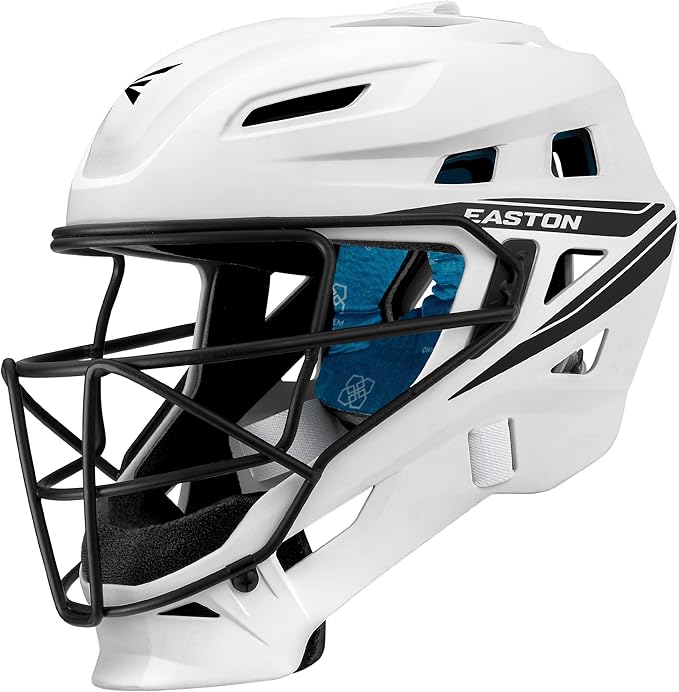 | Easton | JEN SCHRO THE VERY BEST Softball Catcher’s Helmet | Check Price Now |
3. Easton | JEN SCHRO THE VERY BEST Softball Catcher’s Helmet
Step up your game with the Easton | JEN SCHRO THE VERY BEST Softball Catcher’s Helmet designed to offer superior protection and comfort. Its sleek design coupled with advanced materials makes it a reliable choice for serious softball players.
Constructed with a durable ABS plastic shell, this helmet integrates a strong black matte steel cage that guards against fast impacts. The dual-density foam padding ensures a comfortable fit while delivering excellent shock absorption. Treated with CLEAR DRI and AEGIS on the forehead and chin, it effectively combats bacteria and sweat for prolonged freshness and hygiene.
Treated with CLEAR DRI and AEGIS on the forehead and chin, it effectively combats bacteria and sweat for prolonged freshness and hygiene.
Engineered to meet NOCSAE standards, this helmet supports all levels of play, providing trustworthy head protection during intense moments. Its streamlined shape reduces bulk, allowing for better mobility behind the plate.
The matte two-tone finish not only adds a professional touch but also enhances durability against scratches and wear over time. Designed with players’ needs in mind, it fits securely and offers ease of use with quick adjustments.
The helmet’s protective features cater especially to catchers concerned about concussion prevention. Its lightweight yet robust construction does not impede vision or movement.
When compared to other catchers’ helmets, the Easton model stands out for its antimicrobial treatment and superior padding density that aid long-term comfort and hygiene during games or practice.
Pros
- Durable ABS plastic shell with strong steel cage for impact resistance
- Dual-density foam padding provides comfort and efficient shock absorption
- CLEAR DRI and AEGIS treatment prevent bacteria and sweat buildup
Cons
- Price details are not readily available for quick budgeting
Providing a blend of protection, comfort, and hygiene, the Easton | JEN SCHRO Softball Catcher’s Helmet is a practical choice for dedicated players prioritizing safety. Its carefully designed features address common concerns such as sweat control and pathogen resistance while maintaining compliance with official safety standards.
This helmet is a solid investment toward concussion prevention and reliable on-field performance.
| Specification | Details |
|---|---|
| Shell Material | Durable ABS Plastic |
| Cage Type | Black Matte Steel Cage |
| Padding | Dual-Density Foam |
| Special Treatments | CLEAR DRI and AEGIS on Forehead and Chin |
| Finish | Matte Two-Tone |
| Standards Met | NOCSAE Certified |
| Fit | Secure with Adjustable Features |
In my experience, this catcher’s helmet offers a well-rounded blend of protection, hygiene, and comfort tailored to softball players focused on safety. The antimicrobial treatments reduce odor and skin irritation even during extended wear.
Compared to other helmets I’ve tried, it provides excellent fit and impact protection without added weight, making it easier to stay alert and agile throughout the game.
Top Catchers Helmets for Concussion Prevention: Buyer’s Guide
Visibility and design features
The design of a catcher’s helmet plays a significant role in both protection and performance, starting with the face mask which should provide clear sightlines to help the catcher track pitches and base runners without obstruction. The shape of the helmet affects peripheral vision, allowing a wider field of view that aids quick responses behind the plate.
Combining these elements thoughtfully results in a helmet that not only reduces the risk of concussion but also supports the catcher’s ability to react swiftly during the game.
Fit and comfort
The best catchers helmet for concussion prevention should have adjustable sizing features that allow the wearer to customize the fit for their head shape and size, which plays a key role in providing maximum protection during impact. Finding a helmet that fits snugly without feeling too tight helps reduce movement and enhances safety on the field. Ventilation is another important aspect, as helmets with well-designed air vents help keep the player cool and comfortable throughout the game.
Ventilation is another important aspect, as helmets with well-designed air vents help keep the player cool and comfortable throughout the game. Additionally, the overall weight of the helmet can affect how long it can be worn without causing fatigue; lightweight materials contribute to easier mobility and less strain on the neck. Considering these factors together will help in choosing a helmet that not only protects against concussion risks but also offers a comfortable experience during gameplay.
Durability and build quality
The choice of the best catchers helmet for concussion prevention heavily depends on the durability and build quality of the helmet. The outer shell is commonly made from high-impact materials such as polycarbonate or advanced composites, which provide strong protection against hits and collisions. These materials also offer good resistance to wear and tear, maintaining their integrity despite frequent exposure to sweat, dirt, and varying weather conditions during play.
Regular maintenance, including cleaning and inspection for cracks or damage, helps prolong the helmet’s lifespan and ensures that protective features remain effective over time. A well-built helmet not only withstands rough use but also retains comfort and safety standards, making it a practical investment for anyone focused on protecting against concussions while playing the demanding position of catcher.
Helmet safety standards and certifications
When choosing a catcher’s helmet, paying attention to safety certifications offers peace of mind about the protection level it provides. Certain organizations evaluate helmets against specific criteria designed to reduce risks of head injuries, including concussions. For example, recognition from bodies like NOCSAE indicates that the helmet has undergone rigorous testing related to impact absorption and durability.
Such safety ratings can give insight into how well a helmet might protect against forceful impacts during gameplay. Additionally, many leagues have regulations requiring helmets to meet particular standards before players are allowed to use them in official games.
Confirming that a helmet complies with these guidelines not only helps in selecting gear that fits within rules but also ensures a focus on player safety. Considering these factors when buying will contribute to choosing equipment that balances comfort with reliable head protection on the field.
Impact protection and padding technology
Choosing a helmet that excels in protecting against head injuries requires attention to the cushioning inside that absorbs shocks effectively. Different padding materials, such as foam, gel, and air-filled chambers, vary in their ability to reduce the force of impacts.
Some helmets use multilayer padding systems that combine various materials to disperse energy over a wider area, enhancing protection compared to single-layer designs that rely on a uniform material. Recent progress in technology includes materials that adapt to the severity of impacts, reducing the risk of concussions by minimizing sudden movements of the brain within the skull. When selecting a helmet, consider how these padding technologies might enhance both comfort and safety during repetitive plays, where repeated minor impacts can add up.
The balance between a secure fit and advanced cushioning can make all the difference in maintaining protection without compromising mobility on the field.
Price and warranty
Choosing the best catchers helmet for concussion prevention involves weighing the differences between budget and premium options, especially regarding materials and advanced safety features. While more affordable helmets typically provide basic protection, premium models often incorporate enhanced impact absorption technologies and additional padding for improved safety. The decision should align with intended use; players who frequently face high-velocity pitches or intense play may benefit from investing in a helmet designed with cutting-edge protection.
Customer support and warranty coverage can also influence the buying experience, as reliable after-sales service and clear warranty terms contribute to greater confidence in the product. Ultimately, a helmet that offers a strong balance between cost and safety features delivers the best value, allowing players to reduce concussion risk without overspending on unnecessary extras.
Frquently Asked Questions
How Important Is Helmet Fit And Padding In Protecting Catchers From Concussions?
Helmet fit and padding are crucial in protecting catchers from concussions. A properly fitted helmet ensures that the protective gear stays securely in place during impacts, reducing the risk of the head moving violently or striking hard surfaces. This stability helps to absorb and distribute the force of a blow more effectively than a loose or ill-fitting helmet. Additionally, the padding inside the helmet plays a vital role in cushioning the head. High-quality padding absorbs shock, lessening the impact forces transmitted to the brain. Together, proper fit and adequate padding significantly decrease the chances of concussions for catchers.
How Do Modern Catcher’S Helmets Reduce The Risk Of Head Injuries Compared To Older Models?
Modern catcher’s helmets reduce the risk of head injuries by incorporating advanced materials like high-impact plastics and energy-absorbing foam, which offer superior shock absorption compared to older models. They often feature integrated masks and improved padding that protect not only the skull but also the face and jaw from fast-moving baseballs and collisions. Additionally, modern helmets are designed with better ventilation and ergonomic fitting, ensuring they stay securely in place during play. This combination of enhanced protection and comfort significantly lowers the chances of concussions and other head injuries for catchers.
Which Catcher’S Helmets Are Rated Highest For Concussion Protection?
Catcher’s helmets rated highest for concussion protection typically come from brands like Rawlings and All-Star, known for incorporating advanced padding and impact-absorbing materials. Models such as the Rawlings Velo and All-Star System Seven are frequently praised for their combination of comfort and superior shock absorption, reducing the risk of head injuries during play. These helmets often feature multi-layered foam technology and durable outer shells to dissipate impact forces effectively. Their design prioritizes both safety and visibility, making them top choices among catchers seeking maximum concussion protection.
What Features Should I Look For In A Catcher’S Helmet To Prevent Concussions?
When choosing a catcher’s helmet to prevent concussions, look for advanced impact-absorbing materials like multi-density foam padding and high-quality outer shells made of polycarbonate or carbon fiber. These features help dissipate the force of impacts, reducing the risk of head injuries. Additionally, helmets with extended coverage around the back and sides of the head offer better protection against angled hits. Ventilation and a secure fit are also important. A helmet that fits snugly with adjustable straps or a customizable liner minimizes movement during play, ensuring the protection stays in place. Proper ventilation keeps the catcher comfortable, encouraging consistent use, which is crucial for safety.
Are There Any Certifications Or Standards That Indicate A Catcher’S Helmet Is Effective In Concussion Prevention?
Yes, catcher’s helmets are subject to safety certifications that indicate their effectiveness in concussion prevention. The National Operating Committee on Standards for Athletic Equipment (NOCSAE) sets performance standards for baseball helmets, including those used by catchers. Helmets that meet NOCSAE standards have undergone rigorous testing to ensure they reduce the risk of head injuries and concussions. In addition to NOCSAE certification, some manufacturers incorporate advanced materials and design features aimed at improved impact absorption. While no helmet can completely prevent concussions, wearing a certified catcher’s helmet significantly enhances protection and reduces the likelihood of serious head injuries during play.
Conclusion
Choosing the best catchers helmet for concussion prevention involves weighing protection, comfort, and durability. Leading helmets provide advanced padding and impact absorption that can reduce concussion risks, while some models might feel bulkier or less breathable during long plays. These helmets suit catchers who prioritize safety without sacrificing mobility and need reliable gear for both practice and competitive games.
These helmets suit catchers who prioritize safety without sacrificing mobility and need reliable gear for both practice and competitive games. Concerns about helmet fit and ventilation are valid and should be addressed by trying models that balance snugness with airflow. Ultimately, selecting a helmet that aligns with personal comfort and specific safety standards will offer peace of mind on the field.
The best catchers helmet for concussion prevention offers a thoughtful blend of security and wearability, making it a practical choice for serious players focused on safeguarding their health.