Top 12 Best Coolant For Muscle Cars That Will Boost Power
Muscle cars demand a lot from their engines, and keeping them cool is a constant challenge. Overheating can lead to serious damage and costly repairs, making the choice of a coolant more than just a routine decision. Finding the best coolant for muscle cars can help protect the engine, improve performance, and extend the life of your vehicle.
This review focuses on coolants designed specifically for high-performance muscle cars. Whether you drive a classic or a modern muscle car, the right coolant ensures stable engine temperatures even under heavy loads.
We’ll look at key features like heat resistance, corrosion protection, and compatibility with various engine types. By the end, you’ll have a clearer understanding of the options available and what makes a coolant stand out for muscle car use.
This guide aims to help you make an informed decision without unnecessary technical jargon.
Keep Your Classic Ride Running Smooth: Top Choices to Beat the Heat
| Image | Product | Price |
|---|---|---|
Our Selected Top 1  | Honda Genuine Extended Life Antifreeze/Coolant Type 2, 50/50 Pre-Diluted, 1 | Check Price Now |
Our Selected Top 2 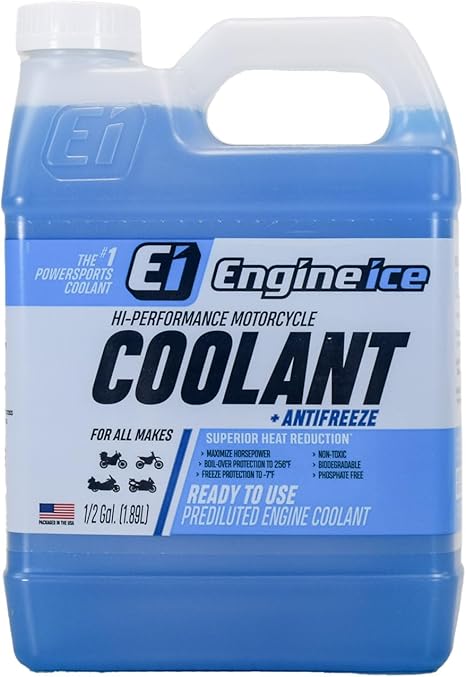 | Engine Ice TYDS008 High Performance Coolant – 0.5 Gallon | Check Price Now |
9. Honda Genuine Extended Life Antifreeze/Coolant Type 2, 50/50 Pre-Diluted, 1
Maintain your muscle car’s engine health with reliable cooling using Honda Genuine Extended Life Antifreeze/Coolant Type Designed specifically for longevity and protection, this pre-diluted formula offers convenience and dependable performance in one package.
Ideal for those seeking a coolant that matches factory specifications, it guards against corrosion, rust, and extreme temperatures. This coolant supports smooth engine operation, ensuring your vehicle runs efficiently under various conditions.
Honda Genuine Extended Life Antifreeze/Coolant Type 2 comes ready to use with a 50/50 pre-mixed formulation. There’s no need for dilution, simplifying the installation process while maintaining optimal coolant balance.
The formula provides excellent freeze protection and boil-over resistance, making it suitable for diverse climates. It replaces the Honda part number OL999-9011, perfectly matching factory fill requirements for Type 2 coolant in Honda vehicles.
Engineered for long service intervals, it lasts up to 5 years or approximately 60,000 miles under normal driving conditions. The inclusion of a bittering agent adds an extra safety layer. The extended life and compatibility ensure efficient heat transfer and stable performance, building confidence in your muscle car’s cooling system.
Pros
- Pre-mixed 50/50 solution eliminates mixing errors and hassle
- Long service life up to 5 years or ~60,000 miles
- Protects against corrosion and rust in metal and non-metal parts
Cons
- Specifically formulated for Honda Type 2 systems, limiting universal compatibility
Honda Genuine Extended Life Antifreeze/Coolant Type 2 combines longevity and trusted performance, making it a dependable choice for vehicles requiring Type 2 coolant. Its factory match and pre-mixed convenience add practical benefits over generic alternatives.
| Specification | Details |
|---|---|
| Type | Type 2 Long-Life Blue Coolant |
| Formulation | Pre-mixed 50/50 (ready to use) |
| Protection | Corrosion, rust, freeze and boil-over resistance |
| Service Life | Up to 5 years or ~60,000 miles |
| Compatibility | Replaces Honda part number OL999-9011 |
| Ingredients | Ethylene glycol and bittering agent (denatonium benzoate) |
| Volume | 1 gallon |
In my experience, this coolant offers peace of mind for maintaining the cooling system in Honda vehicles or others that require Type 2 coolant. The pre-diluted ease reduces guesswork, and its long lifespan minimizes maintenance intervals.
While it’s designed for Honda systems, those with compatible muscle cars will appreciate the reliable protection and performance it delivers. For anyone seeking a dependable long-lasting coolant, this choice stands out with its dedicated formulation and proven results.
12. Engine Ice TYDS008 High Performance Coolant – 0.5 Gallon
Engine Ice TYDS008 High Performance Coolant offers reliable temperature control for muscle cars and other high-performance vehicles. It works efficiently to reduce operating temperatures and prevent engine overheating.
This ready-to-use coolant supports your engine’s ability to run cooler and more effectively under demanding conditions.
Designed with advanced technology, the coolant keeps boiling points low and freeze protection reliable. Its formulation offers an excellent balance between performance and engine safety, making it suitable for various applications.
Crafted without phosphates, Engine Ice provides hassle-free application straight from the bottle. It lowers engine temperatures by 10 to 20 degrees Fahrenheit on average, allowing better performance during intense drives.
The coolant uses propylene glycol, delivering superior heat reduction while remaining safe for your engine system.
Its premixed, deionized water base ensures easy installation without additional dilution or mixing requirements. The product’s unique head dispersion enhances horsepower by efficiently managing the engine’s heat flow. Independent lab tests highlight its effectiveness over some competing coolants, especially in extreme heat and cold conditions.
Independent lab tests highlight its effectiveness over some competing coolants, especially in extreme heat and cold conditions.
Suitable for muscle cars and powersports vehicles, it combines antifreeze protection with performance advantages. With a freeze protection down to -7 degrees Fahrenheit and a boil-over limit of 256 degrees Fahrenheit, it maintains operational stability in varying environments. This coolant supports sustained engine power by preventing heat-related performance loss.
Pros
- Ready-to-use with no mixing needed, saving time and effort
- Reduces operating temperatures by 10-20°F, enhancing engine efficiency
- Phosphate-free formula with propylene glycol for advanced heat management
Cons
- Only available in a 0.5-gallon size, which may require multiple purchases for larger vehicles
Engine Ice TYDS008 High Performance Coolant gives muscle car owners a dependable solution to manage temperature extremes effectively. Its blend of performance benefits and ease of use makes it a solid choice for maintaining engine power while safeguarding costly components.
The phosphate-free, premixed formula stands out among coolants designed for similar purposes, offering better results in heat rejection and freeze protection.
| Specification | Details |
|---|---|
| Volume | 0.5 Gallon |
| Temperature Range | Freeze protection to -7°F, Boil over limit 256°F |
| Coolant Type | Propylene Glycol Based |
| Formulation | Phosphate-Free, Premixed |
| Usage | Ready To Use (RTU) |
In my experience, this coolant delivers consistent cooling performance, especially during extended engine use in muscle cars. Its easy-to-use nature combined with clear performance benefits makes it an excellent option for those seeking to lower temperatures and protect their engines.
Top Coolants for Muscle Cars: Ultimate Buying Guide 2024
Performance and thermal protection
Selecting the right coolant involves understanding how well it manages heat dissipation, as this ensures the engine stays within a safe temperature range during various driving conditions. A good coolant not only prevents the engine from overheating but also protects against freezing and boilover, enabling reliable performance whether in cold starts or under high temperature stress.
When choosing coolant, evaluate products that offer a balanced formula capable of handling extreme temperature fluctuations while protecting metal components from corrosion. This approach supports consistent engine operation and reduces the risk of unexpected failures during demanding drives.
Compatibility with engine materials
When choosing the best coolant for muscle cars, paying attention to compatibility with engine materials can extend the life of your vehicle’s cooling system. Muscle cars often feature either aluminum or cast iron engine blocks, each with unique cooling needs. Aluminum blocks require coolants with additives that prevent aluminum corrosion, while cast iron engines demand formulations that protect against rust and scale buildup.
The radiator and other cooling system components also benefit from using a coolant that guards against degradation and deposits, helping to maintain efficient heat transfer and prevent clogs. Selecting a coolant designed to protect all metals involved and avoiding mixtures that can cause chemical reactions will reduce the risk of corrosion and improve overall engine performance.
Observing the manufacturer’s recommendations and choosing a coolant with the right balance of inhibitors tailored to your muscle car’s engine materials keeps the cooling system running smoothly and prevents costly repairs down the road.
Maintenance and replacement intervals
Choosing the best coolant for muscle cars involves understanding how often the coolant should be replaced to keep the engine running smoothly. Manufacturers typically recommend changing the coolant every two to five years or after a certain number of miles driven, depending on the type of coolant used and the vehicle’s operating conditions.
Caution is advised when mixing different coolant types since combining incompatible formulas may reduce the coolant’s effectiveness and potentially cause damage to the cooling system. Sticking to a single type recommended for your muscle car and flushing the system properly before switching coolants helps avoid these risks.
Additives and chemical properties
When selecting a cooling fluid for muscle cars, attention to the additives and chemical properties embedded in the formula plays a significant role in preserving engine health. Anti-corrosion additives help protect the metal components within the engine and radiator from rust and wear caused by oxidation and prolonged exposure to coolant.
The presence of anti-foaming agents is equally important because they prevent the formation of foam, which can interfere with proper heat transfer and lead to overheating. Maintaining stable pH levels over time contributes to the longevity of the coolant, ensuring that it remains effective in managing engine temperatures and reducing the frequency of replacements. Choosing a product that balances these elements will help muscle car owners maintain their engines in excellent condition while optimizing cooling performance under demanding conditions.
Coolant types suitable for muscle cars
Choosing the right coolant for muscle cars involves understanding the different formulations available and how they align with the vehicle’s engine requirements. Traditional coolants typically require more frequent changes and contain silicates and phosphates that provide corrosion protection mainly for cast iron and aluminum components.
Organic Acid Technology coolants rely on organic acids to protect the cooling system, offering improved compatibility with aluminum radiators and other modern engine parts while minimizing deposits and scaling. Hybrid Organic Acid Technology coolants blend both inorganic and organic inhibitors to provide a balanced approach, ensuring robust protection for mixed-metal engines common in muscle cars.
When deciding which coolant type suits a muscle car best, it’s helpful to consider factors such as the engine’s age, materials used within the cooling system, climate conditions, and manufacturer recommendations. Regular monitoring of coolant condition and using a formulation that prevents corrosion, cavitation, and overheating will contribute significantly to preserving engine performance and longevity. Selecting a product that matches the vehicle’s specifications and service intervals will provide peace of mind during spirited drives or long cruises.
Environmental and safety considerations
When choosing the best coolant for muscle cars, paying attention to environmental and safety considerations is essential to protect both the vehicle and the surroundings. Biodegradability and toxicity are key factors because a coolant that breaks down naturally and poses minimal risk to wildlife and water sources reduces environmental impact.
Safe handling and disposal practices should be followed carefully, as coolant chemicals can be harmful if ingested or improperly discarded. Always use gloves and eye protection when adding or draining coolant, and avoid pouring leftover fluids down drains or onto soil. Additionally, understanding color coding and identification helps prevent mixing incompatible coolants that could damage the engine.
Typically, manufacturers use distinct colors to indicate the type and formulation, so matching the coolant to the muscle car’s specifications safeguards performance and longevity while supporting responsible maintenance habits.
Frquently Asked Questions
What Are The Risks Of Using The Wrong Coolant In A Muscle Car’S Cooling System?
Using the wrong coolant in a muscle car’s cooling system can lead to serious issues such as corrosion, scaling, and clogging. Different coolants have specific chemical properties tailored to protect the engine and radiator materials. The wrong type may fail to prevent rust, causing damage to metal components and reducing the cooling system’s efficiency. Additionally, incorrect coolant can cause overheating by impairing heat transfer, potentially leading to engine damage or failure. It may also degrade rubber seals and hoses, resulting in leaks. Using the recommended coolant ensures optimal performance and longevity of the muscle car’s engine.
How Often Should You Change The Coolant In A Muscle Car For Optimal Engine Health?
For optimal engine health, the coolant in a muscle car should generally be changed every 2 to 3 years or every 30,000 to 50,000 miles, depending on the vehicle’s usage and the type of coolant used. Regular coolant changes help prevent corrosion, overheating, and buildup of harmful deposits, which are critical for maintaining the high-performance engine typical of muscle cars. It’s also important to follow the manufacturer’s recommendations specific to your muscle car model. If you frequently drive under extreme conditions, such as hot climates or heavy towing, more frequent coolant changes may be necessary to ensure the engine remains properly protected.
What Are The Key Features To Look For In The Best Coolant For Muscle Cars?
The best coolant for muscle cars should offer excellent heat transfer to keep the engine running at optimal temperatures, preventing overheating during high-performance driving. It must provide strong corrosion and rust protection to preserve the engine and radiator components, extending their lifespan. Compatibility with the vehicle’s materials, such as aluminum and rubber parts, is also crucial to avoid damage or leaks. Additionally, a high-quality coolant should have a long service life and be resistant to boiling and freezing under extreme conditions. Look for coolants with advanced additives and proper pH balance to maintain effectiveness over time, ensuring reliable performance for muscle car enthusiasts.
How Does The Type Of Coolant Affect The Performance Of A Muscle Car’S Engine?
The type of coolant used in a muscle car’s engine significantly impacts its performance by regulating engine temperature and preventing overheating. A high-quality coolant with proper antifreeze properties ensures efficient heat transfer, protecting the engine from extreme temperatures and reducing the risk of damage during intense driving conditions. Additionally, the right coolant helps prevent corrosion and buildup within the engine’s cooling system, which maintains optimal flow and cooling efficiency. Using an incorrect or low-grade coolant can lead to overheating, reduced engine lifespan, and diminished overall performance.
Are There Specific Coolants Recommended For Classic Muscle Cars Versus Modern Muscle Cars?
Yes, specific coolants are recommended for classic muscle cars versus modern muscle cars due to differences in engine materials and technology. Classic muscle cars often use traditional green ethylene glycol-based coolants, which are effective for older engines with cast iron blocks and copper or brass radiators. These coolants provide adequate corrosion protection for the metal components typically found in classic vehicles. Modern muscle cars, however, generally require extended-life coolant formulas, such as organic acid technology (OAT) or hybrid organic acid technology (HOAT) coolants. These coolants are designed to protect aluminum engine parts and advanced cooling systems, offering longer service intervals and improved corrosion resistance. Using the correct coolant type ensures optimal engine performance and longevity for both classic and modern muscle cars.
Conclusion
Selecting the best coolant for muscle cars involves balancing effective engine protection with compatibility and longevity. High-quality coolants provide superior heat transfer, prevent corrosion, and extend engine life, making them well-suited for the high-performance demands of muscle cars. However, some premium formulations may come at a higher price point or require specific maintenance routines.
For owners who prioritize maintaining engine health while maximizing performance, choosing the best coolant for muscle cars offers tangible benefits that justify the investment. Those concerned about compatibility should always verify the coolant meets their vehicle’s specifications.
Ultimately, opting for a reliable coolant designed with muscle cars in mind supports both day-to-day reliability and long-term durability without overselling its merits.