Top 12 Best Engine Oil Additive for Lifter Noise Revealed!
Many car owners experience a persistent ticking or tapping sound coming from their engine, which often points to lifter noise. This problem can be frustrating and may affect your vehicle’s overall performance. Addressing this issue early can save you time and costly repairs down the road.
Addressing this issue early can save you time and costly repairs down the road. The best engine oil additive for lifter noise offers a practical solution by helping to reduce the noise and improve lifter function. These additives are designed for anyone noticing lifter-related sounds or wanting to maintain smooth engine operation.
Besides noise reduction, they often support better lubrication and engine protection. This review will explore some of the most effective engine oil additives for lifter noise.
It will cover how they work, who should use them, and what to expect in terms of results. By the end, you’ll have a clearer idea of which product might suit your needs.
Unlock Smoother Engine Performance with These Top Solutions for Taming Lifter Rattle
| Image | Product | Price |
|---|---|---|
Our Selected Top 1 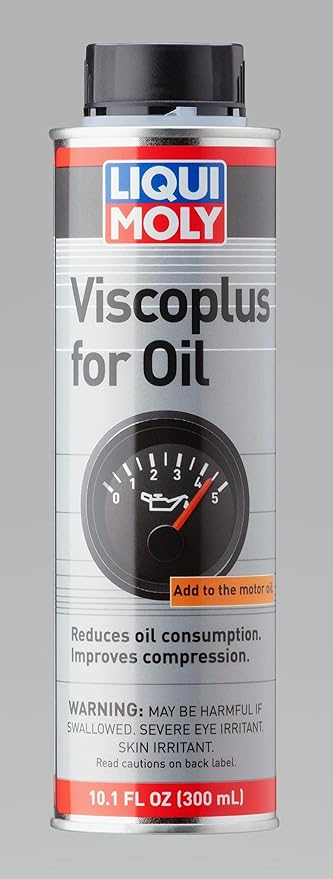 | Liqui Moly Viscoplus for Oil | 300 ML | SKU: | Check Price Now |
9. Liqui Moly Viscoplus for Oil | 300 ML | SKU:
Liqui Moly Viscoplus enhances engine performance by providing exceptional lubrication under varying conditions. Designed to support engine longevity, it brings down noise levels and oil consumption for a smoother driving experience.
Its advanced formula helps maintain consistent oil pressure and minimizes viscosity loss, making it a reliable choice for those seeking quieter and more efficient engines.
Liqui Moly Viscoplus is an oil additive formulated to improve lubrication quality in engines. It effectively supports uniform oil pressure during all types of operation, enhancing engine reliability. The product actively reduces oil consumption, which helps in extending oil change intervals and lowering maintenance costs.
The product actively reduces oil consumption, which helps in extending oil change intervals and lowering maintenance costs.
One of its standout features is the reduction of engine noise, especially lifter noise, creating a quieter driving environment. The additive also works to maintain oil viscosity, preventing it from thinning out under high temperatures and stressing engine components.
Easy to use, the 300 ml bottle is designed for simple application during oil changes. This product suits drivers who want to preserve their engine’s health and enjoy smoother operation on daily drives or long trips.
Its balanced formula also caters well to engines running under tough conditions or experiencing early signs of wear.
Pros
- Maintains steady oil pressure through varying engine loads
- Reduces engine noise, particularly lifter-related sounds
- Lowers oil consumption and protects against viscosity loss
Cons
- Limited to smaller quantity bottles which may require multiple purchases for larger engines
Liqui Moly Viscoplus stands out for its reliable performance in reducing engine noises and improving lubrication under all conditions. It provides excellent value for maintaining engine components with minimal effort.
Compared to other additives, it balances quality and effectiveness without complex usage instructions, fitting well for routine vehicle maintenance.
| Specification | |
|---|---|
| Product Name | Liqui Moly Viscoplus for Oil |
| Volume | 300 ML |
| Application | Oil Additive for Engines |
| Key Benefits | Reduces Lifter Noise, Controls Oil Consumption, Maintains Oil Pressure |
| Viscosity Impact | Minimizes Viscosity Loss Under Load |
| Usage | Mix with Engine Oil During Oil Change |
In my experience, Liqui Moly Viscoplus delivers noticeable engine quietness and smoother operation. Its straightforward application fits easily into any regular maintenance schedule. While other additives may promise similar benefits, this one combines consistency and protection without fuss.
It’s a practical option for prolonging engine life and improving overall performance.
Top Engine Oil Additives for Lifter Noise: Buying Guide
Effectiveness against lifter noise
Understanding the types of lifter noise commonly experienced can help select an additive that effectively addresses the issue. Mechanical ticking or tapping sounds often arise from hydraulic lifters that may not be adequately lubricated or have accumulated deposits affecting their movement.
Some formulations include ingredients that create a protective layer on metal surfaces, reducing friction and wear. Real world feedback from users highlights that additives providing a deep cleaning action alongside enhanced lubrication tend to deliver noticeable reductions in lifter noise over time.
Choosing an additive that matches the specific engine type and following recommended dosage helps maximize performance and ensure long-lasting results.
Engine type and usage considerations
When selecting the best engine oil additive for lifter noise, understanding compatibility is key as some additives are formulated specifically for gasoline engines while others cater to diesel engines, affecting their effectiveness. Engines with higher mileage or older components may benefit from additives designed to reduce wear and restore performance, thereby addressing lifter noise more effectively. Frequency of use depends on the product’s instructions and the condition of the engine, with some additives intended for regular application during oil changes and others suited for occasional treatment to tackle persistent lifter noise issues.
Proper dosage is also important since using too much additive can sometimes cause adverse effects, while too little may not provide noticeable improvement. Considering these aspects helps in choosing an additive that harmonizes with the engine type and usage, ensuring better lubrication and quieter operation over time.
Brand reputation and certification
When searching for the best engine oil additive for lifter noise, paying attention to the product’s certifications from automotive authorities or recognized standards organizations can provide reassurance about its quality and effectiveness. Products meeting these benchmarks often undergo rigorous testing to verify their ability to reduce noise and improve engine performance. Considering the manufacturer’s reputation is also beneficial, as companies known for automotive care products typically stand behind their additives with warranties or satisfaction guarantees, which adds a layer of confidence for buyers.
Additionally, availability of customer support and clear guidance can be a valuable factor, especially for those new to using oil additives, since expert advice on proper use and dosage can help achieve the best results while avoiding potential engine issues. Combining these factors creates a more informed buying decision tailored to maintaining engine health while addressing lifter noise effectively.
Compatibility with engine oil
When selecting additives for engine oil, it is helpful to understand which oil types and grades are best suited to the product’s formulation. Some additives perform differently depending on whether they are mixed with synthetic or conventional oils, as the chemical properties of the base oil can influence how the additives interact with engine components.
Synthetic oils often have advanced properties that may enhance the effects of certain additives, while conventional oils may require additives that compensate for their less refined nature. Attention to compatibility contributes to maintaining the integrity of engine parts and their lubrication, helping to minimize wear and protect seals, valves, and lifters. Matching the additive with the correct oil type and grade helps maintain consistent performance and prevents adverse reactions or reduced effectiveness, which is particularly important for protecting moving parts and preserving the engine’s overall health during everyday use or under stress.
Considering these factors allows for better synergy between the oil and additives, promoting smoother operation and longer engine life.
Ingredients and formulation
Choosing the best engine oil additive for lifter noise involves paying attention to formulations that include detergents, friction modifiers, and antiwear agents. These components work together to clean engine parts, reduce metal-to-metal contact, and protect critical surfaces against wear, all of which help to minimize lifter noise effectively. Opting for products made with safe and noncorrosive chemicals is equally important, as this protects the engine’s delicate components without causing damage or deterioration over time.
Additionally, additives with environmentally friendly formulations not only benefit engine health but also reduce the ecological footprint by using biodegradable ingredients or avoiding harmful substances. These additives are typically suitable for regular use in various vehicles, offering relief from noisy lifters while maintaining engine performance.
When buying, checking for compatibility with your engine type and ensuring the additive meets industry standards can help you make a wise choice that supports both engine longevity and environmental responsibility.
Price and value for money
When exploring options for engine oil additives that help reduce lifter noise, the cost per treatment and coverage volume play a significant role in determining overall value. Some products require only a small amount per application yet cover an entire engine, making them economical for occasional use. Others may come in larger packages that allow multiple treatments, which can be more cost-effective for regular maintenance.
Others may come in larger packages that allow multiple treatments, which can be more cost-effective for regular maintenance. Considering the long-term benefits is also worthwhile, as investing slightly more upfront in a high-quality additive may prevent costly engine repairs and prolong engine life, thereby justifying the initial expense. Availability in different package sizes adds flexibility, allowing buyers to choose a quantity that matches their needs, whether for a single treatment or ongoing care.
Striking a balance between price and the quality of ingredients can ensure the additive delivers reliable noise reduction without unnecessary spending, providing good value over time.
Frquently Asked Questions
What Is The Best Engine Oil Additive To Reduce Lifter Noise?
The best engine oil additive to reduce lifter noise is typically one that contains high-quality friction modifiers and detergents. Products like Lucas Oil Deep Clean, Sea Foam Motor Treatment, or Liqui Moly Cera Tec are popular choices because they help clean and lubricate lifters, reducing noise and wear over time. These additives improve oil flow and fill microscopic gaps, which can quiet noisy lifters effectively. It’s important to choose an additive compatible with your engine and oil type. Regular use combined with proper engine maintenance can enhance performance and extend lifter life. Always follow the manufacturer’s recommendations to avoid potential issues.
What Are The Top-Rated Brands Of Engine Oil Additives For Lifter Noise Repair?
Top-rated brands of engine oil additives for lifter noise repair include Lucas Oil, Sea Foam, and Bardahl. Lucas Oil’s Deep Cleaner is highly praised for its ability to clean lifters and reduce noise by removing sludge and deposits. Sea Foam motor treatment is also popular for its versatility in cleaning and quieting lifters effectively. Bardahl’s oil additives use advanced formula technology designed to lubricate and protect engine components, which helps eliminate lifter noise. These brands are trusted for their proven performance in restoring engine smoothness and prolonging lifter life.
Are There Any Specific Ingredients In Oil Additives That Target Lifter Noise?
Yes, certain oil additives are formulated specifically to target lifter noise in engines. These additives often contain anti-wear agents, detergents, and friction modifiers that help reduce metal-to-metal contact and clean lifter components. Ingredients like zinc dialkyldithiophosphate (ZDDP) provide a protective film on the lifters and camshaft, minimizing wear and noise. Additionally, additives with extreme pressure (EP) properties and viscosity improvers enhance lubrication under varying operating conditions. This ensures smoother lifter operation and helps eliminate or reduce the characteristic ticking noise often associated with lifter issues.
Can Using Engine Oil Additives Prevent Future Lifter Noise Issues?
Using engine oil additives can sometimes help reduce lifter noise by improving lubrication and cleaning internal engine components. These additives may enhance oil viscosity and help remove sludge or deposits that cause lifter sticking or noise. However, they are not a guaranteed fix for noise issues caused by mechanical wear or damaged lifters. Ultimately, while oil additives might provide temporary relief, addressing underlying problems such as worn lifters or improper valve adjustment is essential. Regular maintenance and using the correct grade of engine oil are more reliable ways to prevent future lifter noise.
How Do Engine Oil Additives Help In Eliminating Lifter Noise?
Engine oil additives help eliminate lifter noise by improving lubrication and reducing friction between engine components. These additives form a protective film on the lifter surfaces, preventing metal-to-metal contact that causes noise. By maintaining proper oil viscosity and enhancing the oil’s ability to flow smoothly, the additives ensure consistent hydraulic pressure within the lifters, which is crucial for quiet operation. Additionally, anti-wear and detergent additives keep lifters clean by preventing sludge and deposit buildup. This cleanliness allows lifters to function smoothly without sticking or tapping sounds, ultimately reducing noise and extending engine life.
Conclusion
Choosing the best engine oil additive for lifter noise can make a noticeable difference in reducing unwanted engine sounds and improving overall performance. These additives typically offer benefits such as quieter operation, enhanced lubrication, and protection against wear. However, results may vary depending on the severity of the noise and the engine’s condition.
They are particularly well-suited for vehicles experiencing mild to moderate lifter noise without underlying mechanical damage. While some users might find the improvement subtle or temporary, using a quality additive can be a cost-effective alternative to more extensive repairs.
For those seeking to address lifter noise with minimal hassle and expense, selecting a reputable engine oil additive can provide meaningful relief and extend engine life without requiring immediate mechanical intervention.